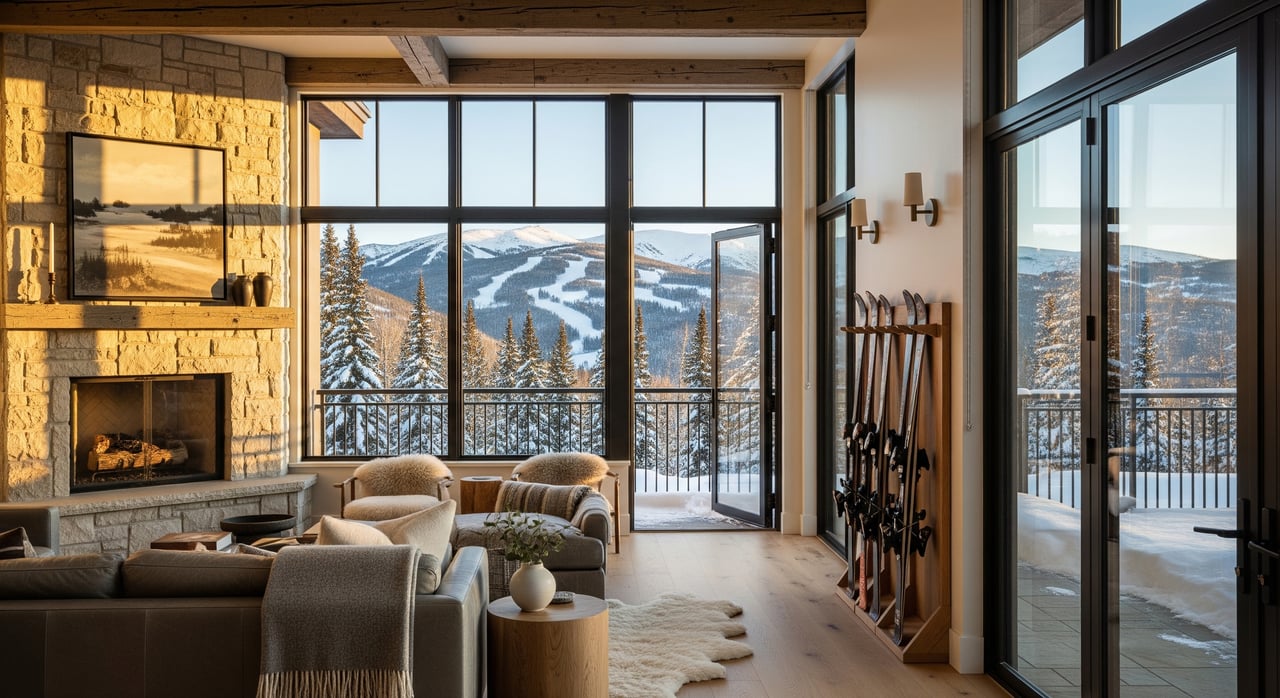
What It’s Like To Own A Ski Condo In Breckenridge
February 5, 2026
February 5, 2026
Ever picture yourself waking up to crisp mountain air, clicking into your skis, and gliding to the lift before most people finish coffee? If Breckenridge has been calling your name, you’re not alone. Owning a ski condo here blends big-mountain energy with small-town charm, but it also comes with real-world logistics. In this guide, you’ll get a clear picture of day-to-day life, ownership costs, rental rules, and smart steps to take before you buy. Let’s dive in.
Breckenridge sits high in Summit County at about 9,600 feet, so you get a true alpine feel and a long winter. The town revolves around Breckenridge Ski Resort, which spans multiple peaks with several base areas. Visitor traffic surges in winter and again in summer, with quieter shoulder seasons in between.
Proximity matters. Condos cluster near Main Street’s historic core and around the base areas. Being close to lifts, shuttles, and services tends to drive value and convenience.
You’ll find older, character-rich condos near Main Street. These are walkable to dining, après, and shopping. They can be cozy in size and may lack modern amenities or dedicated parking, but they shine for lifestyle and access.
Many buildings from the 1980s to early 2000s offer one- to three-bedroom layouts, assigned or surface parking, ski lockers, and straightforward common spaces. These are popular with buyers who want practical comfort without luxury pricing.
If you prefer a full-service feel, newer developments often include hot tubs, heated pools, fitness centers, concierge services, and heated garages. Expect higher HOA dues in exchange for those amenities and an experience designed for easy second-home use and short-term rental support.
Condos right at the base areas are set up for quick lift access. True ski-in or ski-out commands a premium because it maximizes time on snow and simplifies family logistics.
Common perks include:
On peak days, you’ll feel the buzz. Shuttles run frequently, restaurants are lively, and public parking fills fast. The real win is coming back to a warm locker, drying your boots, and sinking into a hot tub before dinner.
If you plan to drive, factor in snow and ice management. Some buildings enforce strict parking rules in winter, and certain condos do not include a dedicated space. Many owners walk or use local shuttles to keep things simple.
Spring brings variable weather and makes a good window for maintenance projects. By summer, the town pivots to hiking, biking, and festivals. Many owners spend extended weekends and open mid-summer weeks to renters. Weekday visits and shoulder seasons are quieter if you prefer less bustle.
Ski condo HOAs tend to run higher than suburban communities because they often fund staffing, snow removal, common utilities, and amenities like pools and hot tubs. HOA rules set the tone on rentals, pets, parking, and owner use, so read them closely.
Expect higher winter energy usage for heating. Water and sewer fees vary by building. Some HOAs include certain utilities, while others bill separately. Ask for recent winter bills so you understand your baseline.
You’ll coordinate your unit coverage with the building’s master policy. Consider additional protection for winter hazards, short-term rental liability if you plan to host guests, and loss-of-income coverage if you’re renting.
Property taxes are assessed at the county level. Bills depend on your assessed value and local mill levies. If you plan to rent, keep clean records for tax reporting and deductions.
Mountain properties face snow, ice, and freeze risks. Plan for:
If you will be away for long stretches, set up winterization protocols or partner with a local manager who checks the unit during cold spells.
Breckenridge and Summit County regulate short-term rentals. Typical requirements include licensing or registration, safety standards, occupancy limits, and tax collection. Rules have tightened across many mountain towns, and certain neighborhoods may have stricter limits. Confirm the latest requirements before you buy and again before you host.
Many out-of-area owners hire local managers to handle bookings, guest support, cleaning, and compliance. Peak winter weeks can require tight same-day turnovers, so you’ll want partners with proven staffing. Fees vary by operator and service level.
Rental income is taxable. Track gross income, allowable deductions such as depreciation, and all operating expenses. A CPA who understands second homes and short-term rentals can help you optimize reporting.
Most owners use Denver International Airport or Eagle County Regional Airport. Winter drives from the Front Range can take 1.5 to 2 hours or more depending on traffic and weather, and Interstate closures or delays do happen.
If you buy near Main Street or base areas, you may rely on walking and shuttles for daily life. A car is still helpful for down-valley errands, flexibility in storm cycles, and exploring beyond town.
At 9,600 feet, give yourself time to adjust. Hydrate well, rest on day one, and listen to your body. Many owners keep basic supplies on hand and stock up on groceries at lower elevations before heading up for longer stays.
Resort condos can be sensitive to seasonality and interest rates. Units with strong lift access, parking, and modern amenities tend to attract a broader buyer pool and rent more easily. Review each HOA’s reserve funds, recent assessments, and rental policies so you understand both risk and flexibility.
Use this list to focus your due diligence:
If you value quick access to the lifts, a vibrant Main Street, and four-season recreation, a Breckenridge condo can be a great fit. You will balance that lifestyle with winter maintenance, HOA structures, and evolving rental rules. With clear expectations and local support, most owners settle into a rhythm that makes mountain time easy and memorable.
Ready to match your goals with the right building, location, and HOA? Reach out to Rianna Royer for local guidance tailored to how you plan to use your condo, from lifestyle-first ownership to income-focused strategies.
Stay up to date on the latest real estate trends.
Let me be your beacon from our first interaction to close and beyond! Whether you are buying or selling, I look forward to serving your specific real estate needs and bringing unparalleled value and expertise.