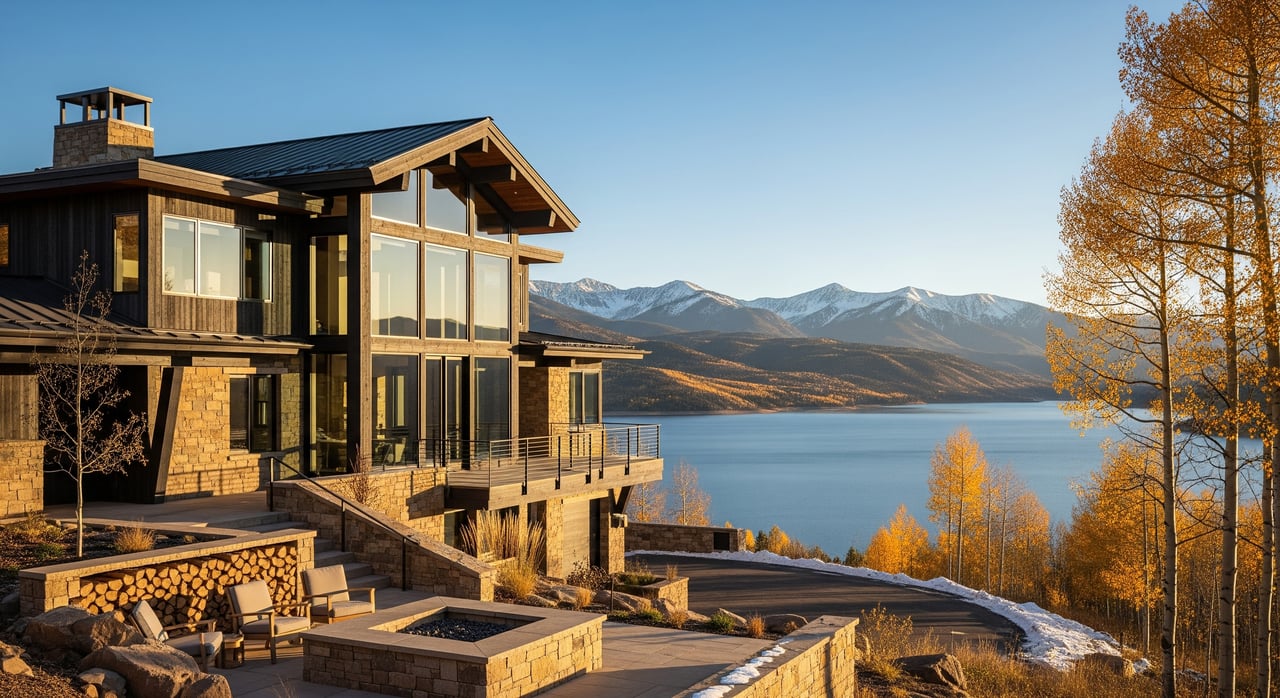
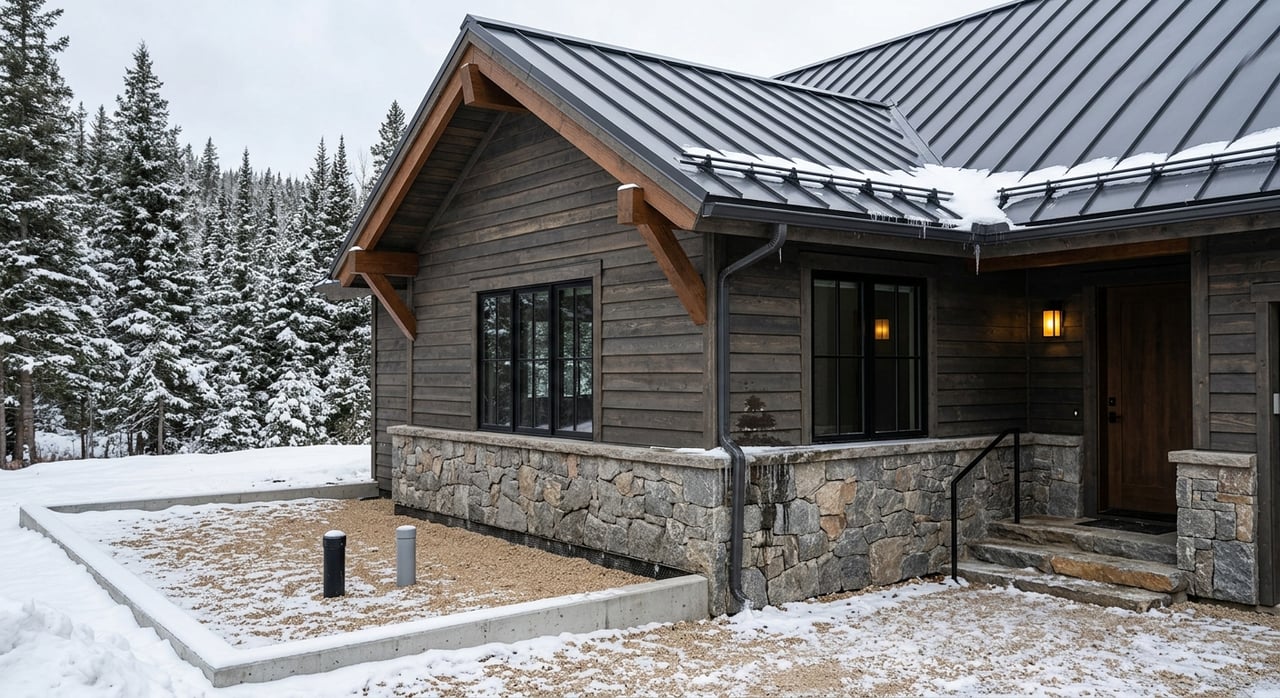
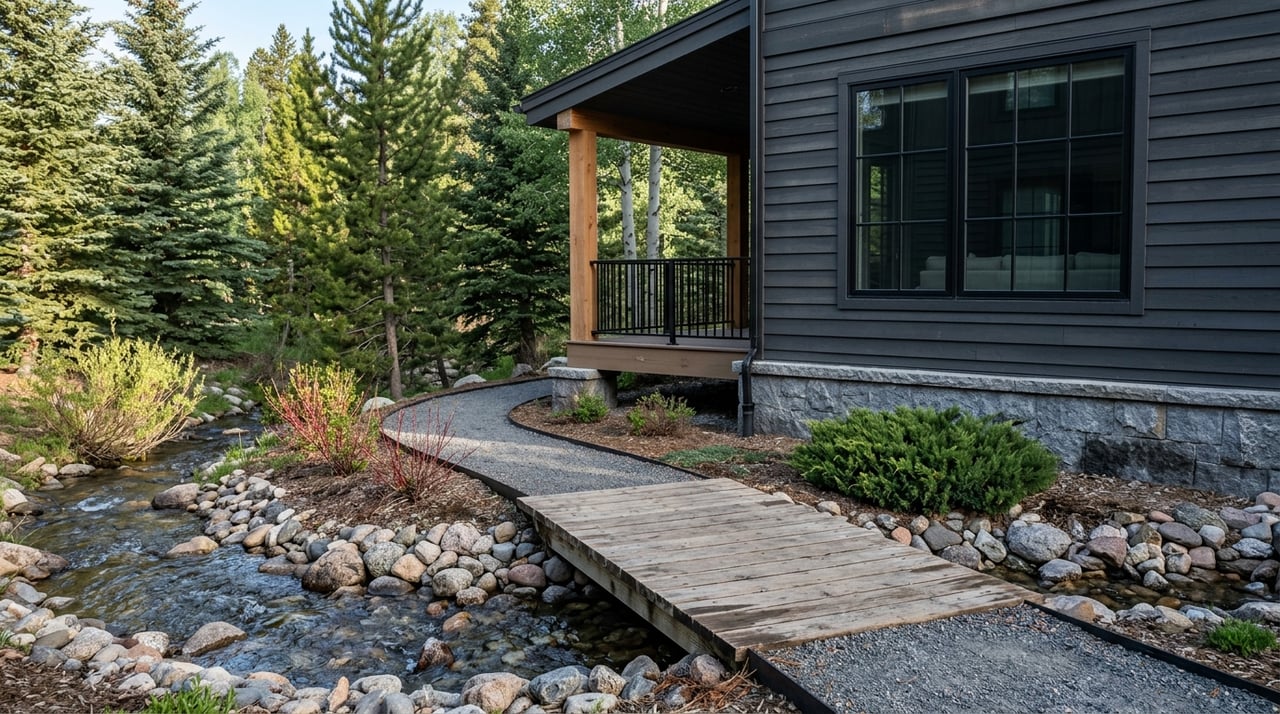
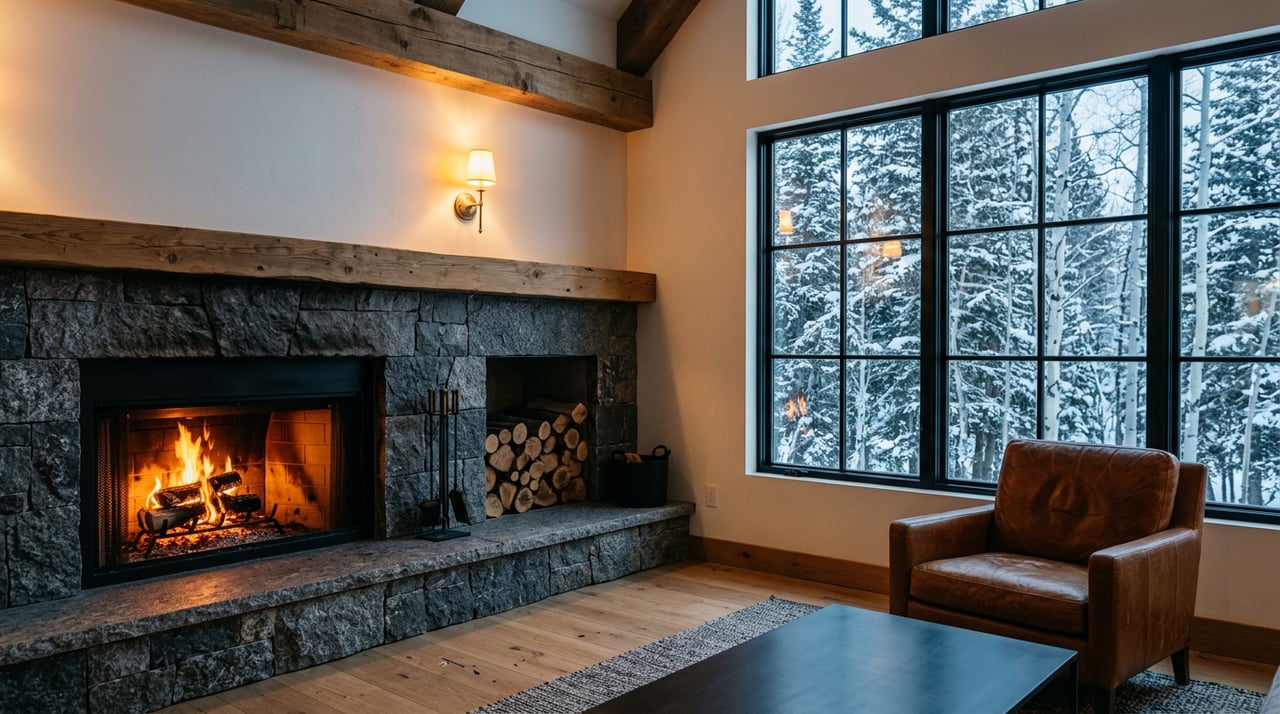
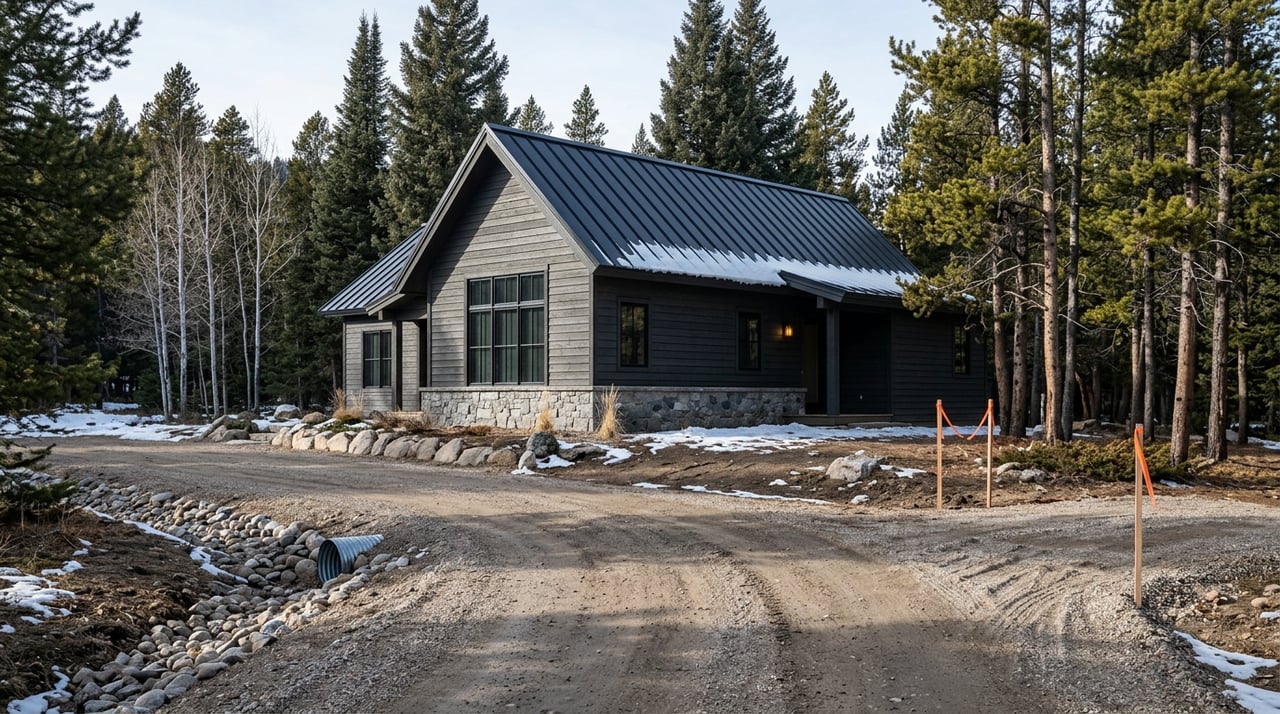
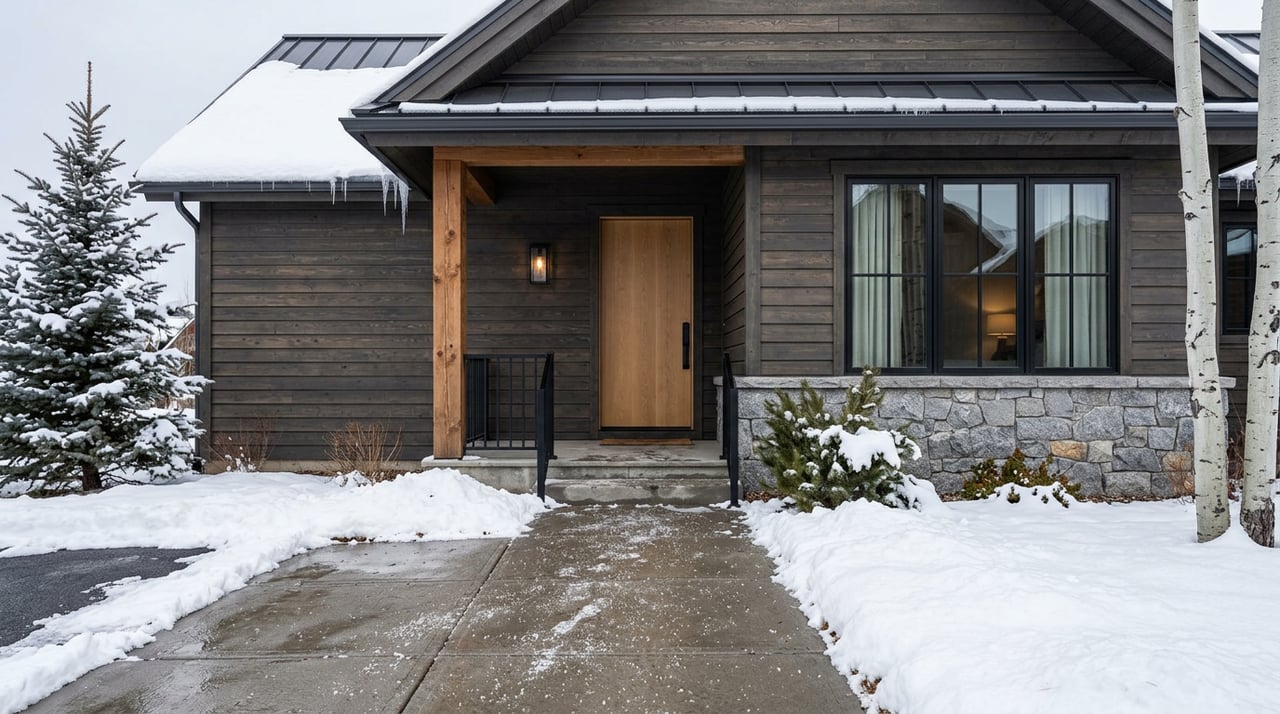
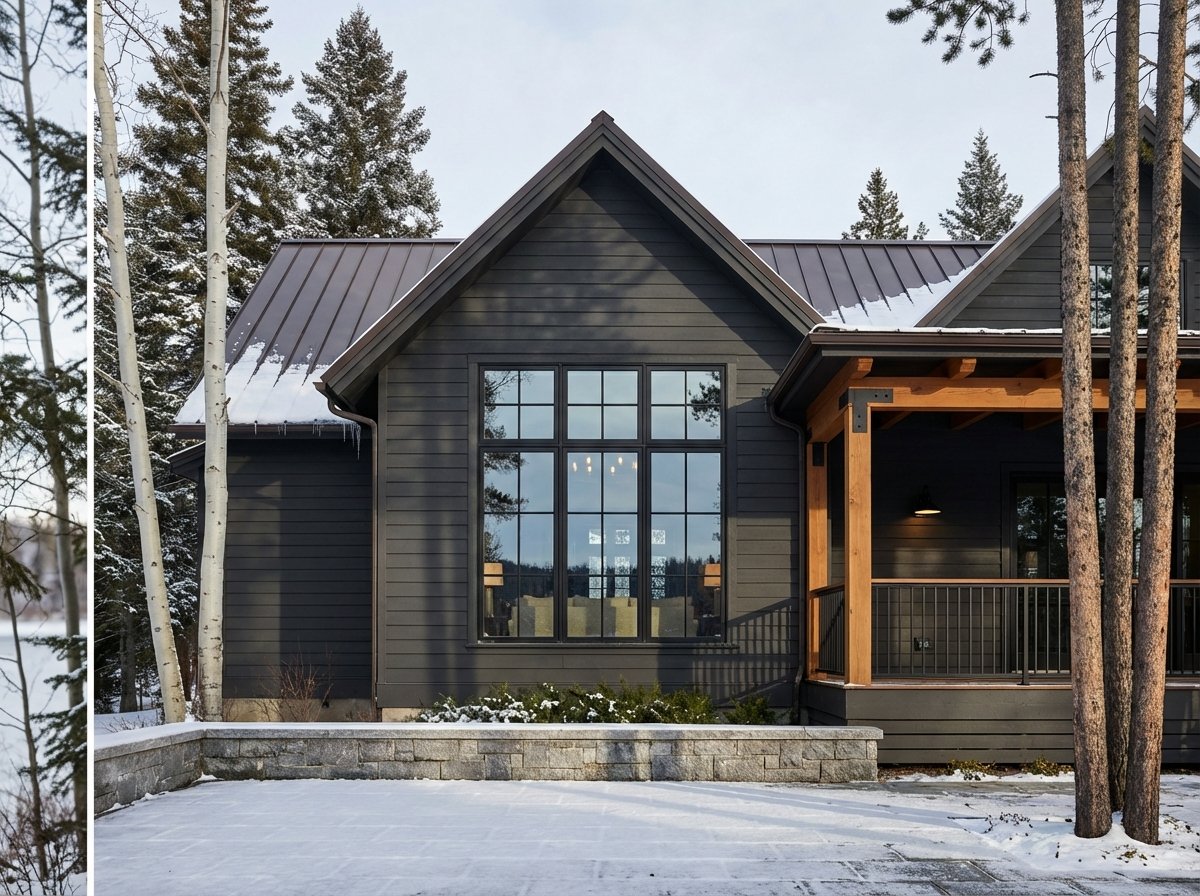
What does a Dillon second home really cost once the mountain views fade into monthly bills? If you love the idea of skiing Keystone, boating on the reservoir, and weekend escapes, you also want a clear budget you can trust. In this guide, you’ll learn the major costs to expect, how short‑term rentals affect the numbers, and what high‑altitude ownership looks like year‑round. Let’s dive in.
Upfront costs in Dillon
Buying in Summit County’s resort market means a wide range of prices, from condos and townhomes to premium lake‑adjacent homes. Because values can shift quickly with inventory and season, you should rely on fresh local comps before you set your budget. Expect more competition during peak seasons and for properties near the marina or ski access.
Plan for these typical upfront items:
- Earnest money: Often 1–3% of the purchase price, depending on market conditions.
- Down payment: Many second‑home loans require about 10–20% down. Investment property loans often require 15–25%.
- Closing costs: Budget 2–4% of the purchase price for lender fees, title insurance, escrow, and recording.
- Appraisal and inspections: A full home inspection plus specialty checks are smart in the mountains. Include radon testing, roof and chimney evaluation, and a sewer scope where applicable.
- HOA transfer and reserves: Many Dillon condos and some townhomes carry transfer fees or capital contributions. Review reserve studies and ask about recent or pending special assessments.
Ongoing costs to budget
Recurring expenses are where the real cost of a second home shows up. Build a conservative annual plan so you can enjoy your time in Dillon without surprises.
- Mortgage principal and interest: Second‑home loans may carry slightly higher rates and stricter qualifying ratios than primary residences.
- Property taxes: Colorado uses assessed values plus local mill levies. Summit County rates and assessments adjust annually, so use current data from the Assessor before you buy.
- Homeowners insurance: Premiums for vacation homes are typically higher due to vacancy and wildfire exposure. Ask about endorsements for water backup, sewer coverage, and extended dwelling.
- HOA dues: Many Dillon properties include snow removal, exterior maintenance, water/sewer, master insurance, and amenities in monthly dues. Verify exactly what is covered and whether any special assessments are underway.
- Utilities: Heating can be a notable winter expense at altitude. Budget for electricity, gas or propane, water/sewer, trash, internet, and any snow‑removal service.
- Maintenance and repairs: In ski country, a stronger reserve is wise. A common planning range is 1.5–3% of property value per year for second homes in harsh climates. Include winterization, roof and gutter care, ice management, and HVAC servicing.
- Property management: If you will not be on site, a caretaker or management company is helpful. Long‑term rental managers often charge 8–12% of collected rent, while STR managers often range 20–40% of rental revenue plus cleanings.
If you plan to rent
Short‑term rentals can offset costs, especially in peak seasons, but Dillon’s rules and seasonality matter.
- Revenue is seasonal: Winter ski weeks and summer lake months can be strong, but spring and late fall tend to be slower. Model conservative occupancy outside peak periods.
- Licensing and taxes: The Town of Dillon and Summit County require STR licensing and lodging tax collection and remittance. Rules cover things like occupancy, parking, and noise. Regulations can change, so confirm the latest requirements before you buy.
- Regulatory risk: Many resort communities have adjusted STR policies to address housing and neighborhood impacts. Build in a cushion for possible cap changes, moratoria, or higher compliance costs.
- Operating costs: Deduct cleaning, supplies, utilities, and platform fees when estimating net income. If you use a manager, apply their percentage to gross revenue, not net.
Financing and taxes
Your loan type and tax treatment depend on how you use the home and how often you rent it.
- Loans: Conventional loans are available for second homes if you meet occupancy and underwriting guidelines. Some properties and price points require jumbo financing. Investment loans usually require higher down payments, reserves, and sometimes higher rates. Programs like FHA are typically limited to primary residences.
- Mortgage interest and property taxes: These may be deductible but are subject to federal caps and limits. Confirm current rules with your tax advisor.
- Rental tax rules: IRS guidance for vacation homes sets important thresholds. If you rent fewer than 15 days a year, rental income is generally not taxable. Above that, your personal use and rental days drive how you allocate expenses and whether you can depreciate.
- Passive activity limits: Deductions for rental losses may be limited depending on income and participation level. A local CPA who understands Colorado resort properties can help you optimize your plan.
Mountain climate and risk
At roughly 9,000 feet, Dillon winters are beautiful and demanding. Cold snaps, heavy snow, and freeze–thaw cycles raise the bar for planning and upkeep.
- Winter logistics: Expect more frequent snow removal and periodic travel disruptions. Many owners rely on a property manager for access checks after storms.
- Wildfire: Regional wildfire risk can affect insurance pricing and availability. Defensible space and ember‑resistant upgrades can help with safety and insurability.
- Flood: If you are near water or drainage corridors, verify whether flood insurance is recommended. Flood policies are separate from standard homeowners insurance.
- Vacancy clauses: Some policies reduce coverage if a home sits unoccupied for long periods. Make sure your coverage fits second‑home or STR use.
Build your budget
Use a simple, conservative template and plug in local quotes before you go under contract.
Suggested annual line items:
- Mortgage principal and interest
- Property taxes
- Homeowners insurance
- HOA dues
- Utilities: heating, electricity, water/sewer, trash, internet
- Maintenance reserve: 1.5–3% of property value
- Snow removal and winter services
- Property management or periodic caretaker checks
- STR licensing fees, lodging taxes, platform commissions (if renting)
- Capital improvements: roof, mechanicals, exterior
- Contingency fund: 3–6 months of mortgage and fixed costs
If you plan to rent, model cash flow this way:
- Estimate annual STR revenue with low, mid, and high cases. Use realistic seasonal occupancy and rates.
- Subtract management, cleaning, supplies, utilities, and lodging taxes. Stress test shoulder‑season vacancy.
- Subtract mortgage, insurance, HOA, and fixed costs to find projected net cash flow.
- Re‑run the numbers with lower nightly rates or caps on rental nights to test resilience.
Decision checkpoints
Before you write an offer, work through these key steps:
- Confirm current comps and inventory with a local broker to set your price strategy.
- Verify zoning, HOA rental rules, and any municipal STR restrictions for the specific address.
- Get multiple insurance quotes that reflect second‑home or STR use, plus wildfire and flood scenarios.
- Speak with lenders who regularly finance Summit County second homes and investment properties.
- Order a thorough inspection with radon testing and climate‑specific checks.
- Interview property managers about peak and shoulder‑season occupancy, fee structures, and winter turnover logistics.
- Build a 12–24 month cash‑flow plan with conservative assumptions and a healthy maintenance reserve.
Your next step in Dillon
When you understand the full cost picture, a Dillon second home can be both a lifestyle win and a sound long‑term hold. The key is to size your budget to the mountains, confirm local rules early, and keep a buffer for winter and regulatory surprises. If you want a tailored pro forma, HOA review, or introductions to lenders, insurers, and STR managers, reach out to Rianna Royer. She blends operator experience with local insight to help you buy with confidence.
FAQs
What upfront costs should I expect for a Dillon second home?
- Plan for earnest money of 1–3%, a 10–20% down payment for many second‑home loans, 2–4% in closing costs, inspections including radon, and possible HOA transfer or capital contributions.
How much should I set aside for annual maintenance in Summit County?
- A common planning range for mountain second homes is 1.5–3% of the property’s value per year, plus reserves for snow, ice, and seasonal servicing.
Do I need a short‑term rental license in Dillon?
- Yes, the Town of Dillon requires STR licensing and lodging tax compliance; confirm current local rules, occupancy limits, parking, and fee schedules before buying.
Are second‑home mortgage rates different from primary homes?
- Often yes; second‑home and investment loans may carry slightly higher rates, larger down payments, and stricter reserve requirements than primary residence loans.
Is rental income from my Dillon home taxable?
- If you rent fewer than 15 days per year, rental income is generally not taxable; beyond that, IRS rules for mixed personal and rental use apply, including expense allocation and depreciation.
What insurance coverage should I consider at high altitude?
- Look for policies that account for vacancy and STR use, and consider endorsements for water backup, sewer, extended dwelling, ice dam or snow‑load exposures, and wildfire risk.