Leave a Message

By providing your contact information to Rianna Royer, your personal information will be processed in accordance with Rianna Royer's Privacy Policy. By checking the box(es) below, you consent to receive communications regarding your real estate inquiries and related marketing and promotional updates in the manner selected by you. For SMS text messages, message frequency varies. Message and data rates may apply. You may opt out of receiving further communications from Rianna Royer at any time. To opt out of receiving SMS text messages, reply STOP to unsubscribe.

Thank you for your message. I will be in touch with you shortly.

How To Evaluate Keystone Condos For Rental Potential

February 12, 2026

Thinking about a Keystone condo you can enjoy and also rent when you are not here? You are not alone. The right unit can deliver great winter demand and steady summer bookings, but the details matter. In this guide, you will learn how to evaluate rules, location, floor plans, amenities, seasonality, and numbers so you can compare options with confidence. Let’s dive in.

Start with rules and permits

Before you fall in love with a building or view, confirm that short-term renting is allowed and practical for the unit you have in mind.

Confirm county STR registration

Summit County regulates short-term rentals with registration, safety, and tax requirements. Ask whether the unit holds a current STR registration and whether inspections or certificates are required. Find out if there are occupancy limits, quiet hours, trash rules, and parking or shuttle requirements for guests. These rules affect your ability to rent and your operating plan.

Understand taxes and remittance

Short-term stays are subject to Colorado state sales and lodging taxes plus Summit County lodging or transient occupancy taxes, and sometimes resort or special district taxes. Some platforms collect certain taxes, but you are typically still responsible for proper filing. Confirm the combined rate and who remits what so your pricing covers all obligations.

Read the HOA rules closely

HOA documents often decide whether your plan works. Review the CC&Rs, bylaws, Rental or Use Addendum, and recent meeting minutes. Look for:

  • Whether nightly rentals are allowed, restricted, or prohibited
  • Minimum stay rules that could limit occupancy
  • Any rental caps or owner-occupancy requirements
  • Required use of a specific manager or on-site front desk
  • Advertising, key control, and platform rules
  • Guest behavior rules for noise, pets, and smoking
  • Any special assessments or limits on unit changes like lock-offs

If you spot pending rule changes or talk of large capital projects, build that into your decision.

Location drivers that move ADR

In Keystone, location inside the resort has a big impact on nightly rates and booking pace.

Lift and village access

Ski-in/ski-out buildings or short walks to main lift gateways like River Run usually achieve higher winter ADRs and stronger occupancy. Proximity to restaurants, shops, and rental services also supports summer and shoulder-season bookings.

Views, exposure, and access

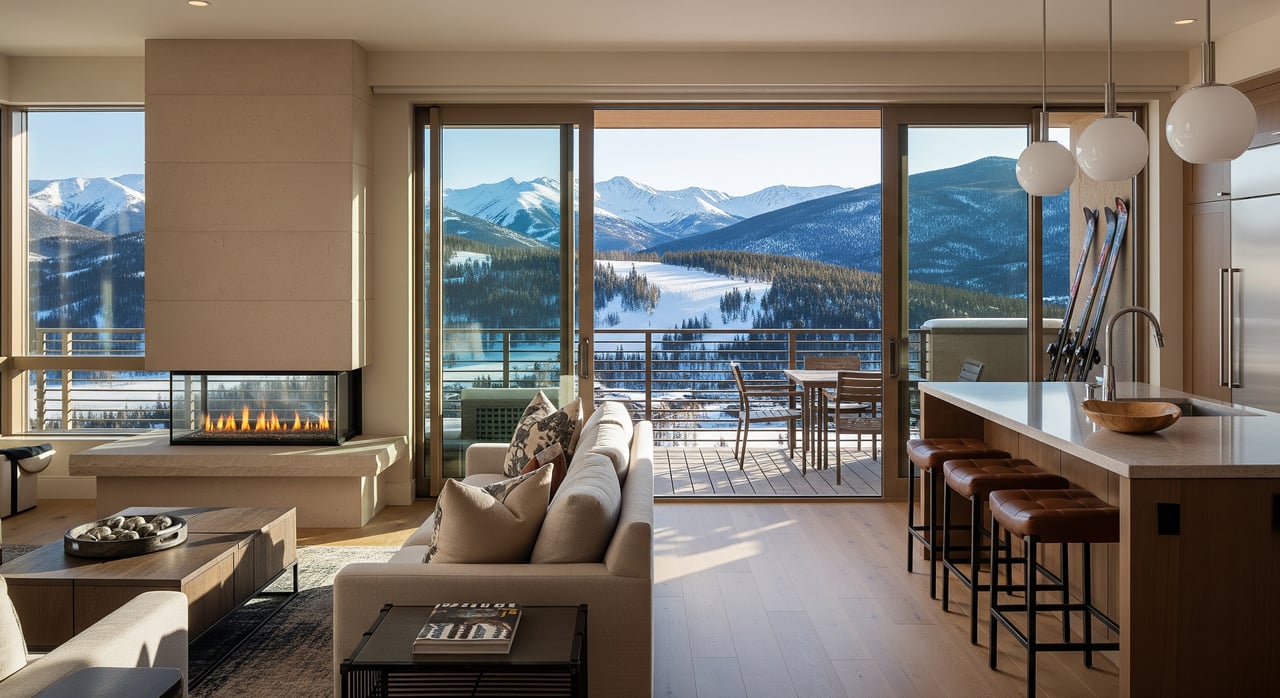
Units with direct mountain or lake views are more desirable. South or west exposures can offer better light and snow melt. Easy access to parking and shuttle stops is a plus, while long walks or remote parking reduce appeal for weekenders.

Floor plan and capacity

Your layout should match the guests you want to serve in both winter and summer.

Beds and baths that book

Two or more bedrooms and multiple full bathrooms allow families and small groups, which widens your market and supports higher ADR. Thoughtful sleeping setups like bunk rooms can increase capacity while keeping comfort high.

Flexible lock-off options

Lock-off designs that convert to rent as a smaller suite or as a combined unit can boost revenue flexibility, if your HOA allows it. Always verify that lock-offs and separate entrances comply with building rules.

Kitchens, laundry, and storage

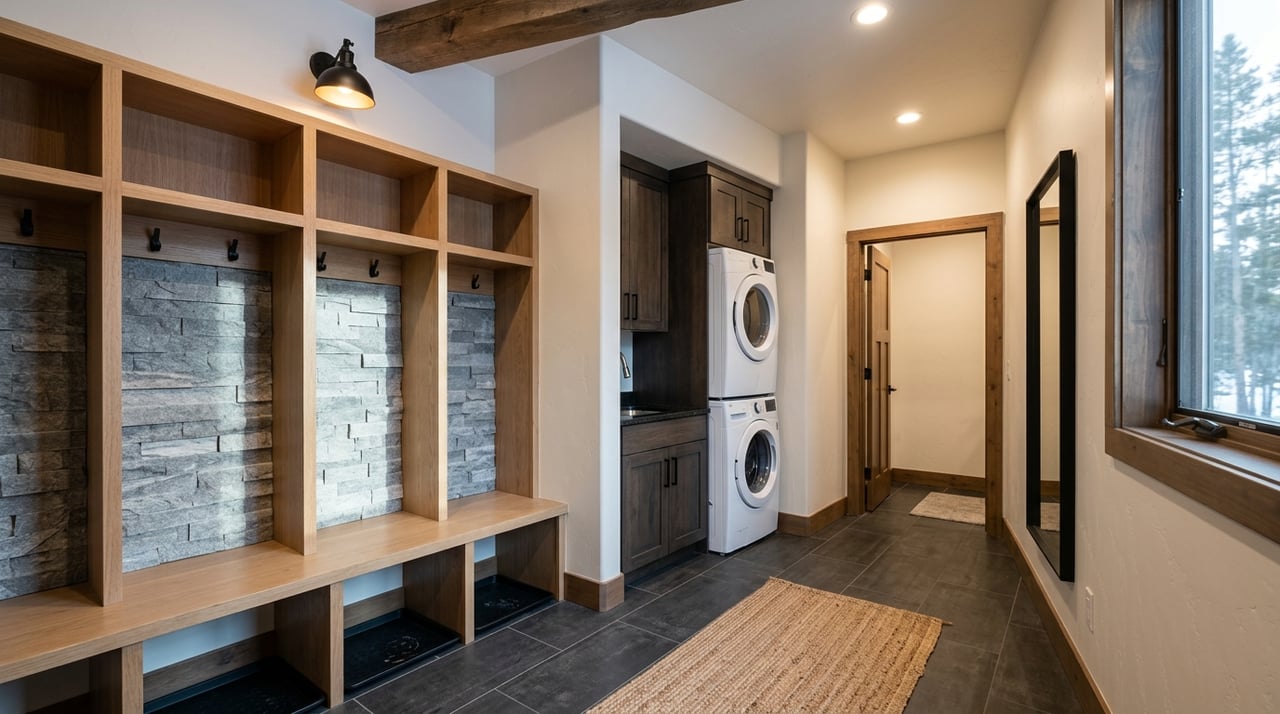
A functional kitchen supports longer stays. In-unit laundry cuts linen costs and is guest-friendly. Dedicated ski lockers or gear storage are valuable in a mountain setting, and elevator access broadens your guest base.

Amenities that boost bookings

Amenities add an ADR premium, especially in peak periods. Look for:

  • Pools, hot tubs, and saunas
  • Front desk or concierge services
  • Fitness rooms, game rooms, and kids’ spaces
  • On-site restaurants, bars, or retail
  • Ski valet and boot rooms
  • Covered or assigned parking and shuttle service

Buildings tied into resort lodging programs or with on-site reservations often see stronger occupancy through broader marketing channels. Weigh that benefit against any extra restrictions and fees.

Costs, dues, and assessments

High-amenity condos often carry higher HOA dues. Make sure your numbers include all recurring and potential costs.

HOA dues and inclusions

Review monthly dues and what they cover, such as heat, water, trash, cable or internet, snow removal, and amenity maintenance. Compare across buildings on a like-for-like basis.

Special assessments and reserves

Ask for the reserve study, current budget, and recent financials. Aging buildings, elevators, roofs, pools, and parking structures can lead to large assessments. A surprise assessment can erase a season of profit, so plan a cushion.

Operations and guest experience

Day-to-day logistics can help or hinder your reviews and repeat bookings.

Smooth check-in

A 24/7 front desk or reliable keyless entry reduces friction for late arrivals and weekend traffic. If the building requires on-site check-in, confirm the hours and any after-hours process. Keep guest communication clear and proactive.

Parking and rules

Understand the guest parking system. Assigned spaces, permits, fees, and limits on extra vehicles affect drivability. Know the complaint process and fines related to noise or rule violations so you can set expectations.

Seasonality and demand in Keystone

Keystone runs on a dual-season rhythm. That seasonality should shape your revenue plan and your target guest mix.

  • Winter (roughly November to April, peaking in December to February and holiday weeks) is driven by skiers. Holiday periods support the highest rates and occupancy.
  • Spring shoulder (late March to April) depends on snowpack and spring break timing.
  • Summer (June to September, peaking around July and August) brings mountain biking, hiking, fishing, festivals, and family travel. ADRs are usually lower than winter, but holiday weeks perform well.
  • Fall shoulder (September to October) is quieter. Owners often do maintenance and offer discounts.

Event weekends can produce short windows with premium rates. Keystone’s proximity to Denver, about 75 to 95 miles depending on route and conditions, supports strong weekend demand, especially with flexible cancellation and good communication when weather affects travel.

Market metrics to compare

To compare buildings and floor plans, line up apples-to-apples performance indicators:

  • Occupancy rate by month and season
  • Average Daily Rate (ADR) by month
  • Revenue per Available Rental (RevPAR = ADR × occupancy)
  • Average length of stay, booking window, and lead time
  • Booking channel mix across direct, OTAs, and resort channels

Use market aggregators and local tourism calendars to benchmark demand, then validate with a local property manager for building-specific comps.

Build a simple underwriting model

You do not need a complex spreadsheet to vet a candidate unit. Focus on realistic inputs, complete expenses, and a few clear outputs.

Gather revenue assumptions

Estimate ADR and occupancy by season: winter peak, winter shoulder, summer peak, and summer shoulder. Note any minimum-night rules in the building that affect achievable occupancy. Consider your channel mix since platform fees and resort commissions vary.

Include all expenses

Budget for:

  • HOA dues and any recurring assessments
  • Property management fees, often 20 to 35 percent for full-service managers in resort markets
  • Cleaning fees, utilities not covered by HOA, cable/internet
  • Insurance with an STR endorsement or commercial policy
  • State and local lodging taxes and any platform collection nuances
  • Maintenance, linens, consumables, and reserve for capital replacements
  • Marketing, photography, and reservation system fees
  • Parking or resort pass costs for guests if required

Key metrics to calculate

  • Gross Rental Revenue = sum over months of ADR × nights × occupancy
  • Net Operating Income (NOI) = Gross Revenue minus Operating Expenses (before financing)
  • RevPAR = ADR × Occupancy Rate
  • Break-even Occupancy = (Fixed annual costs + HOA + required NOI) ÷ (ADR × nights available − variable cost per booking)
  • Cap Rate = NOI ÷ Purchase Price
  • Cash-on-Cash Return = Annual cash flow after debt service ÷ Cash invested

Stress test your plan

Run three scenarios: optimistic high season, median market, and a downside case with lower snow or tighter rules. Include a vacancy cushion and a contingency for surprise assessments or required upgrades.

Due diligence checklist

Request and review these items before you commit:

  • HOA CC&Rs, bylaws, Rental or Use Addendum, and recent meeting minutes
  • HOA budget, assessment schedule, reserve study, and financial statements
  • Proof of Summit County STR registration or any enforcement notices
  • Building insurance master policy summary and any owner requirements
  • Year-to-date P&L or booking history if the unit has been rented
  • Rent roll or historical ADR and occupancy data if available
  • Title documents and any deed restrictions that limit use
  • Building site plan with parking, locker/storage, and location to lifts and village
  • Any management agreements, resort program agreements, and transfer rules

Your local team

Assemble your pros early to avoid surprises and model realistic returns:

  • A mountain real estate agent experienced with Keystone STR buildings
  • A local property manager to quote fees and projected ADR/occupancy
  • A CPA or tax advisor to map sales, lodging, and income tax treatment
  • A real estate attorney for HOA and title review
  • A lender familiar with resort condos and investment loans
  • An insurance broker who understands STR coverage in mountain markets
  • Summit County STR or planning staff for the latest rules and interpretations

Quick comparison cheat sheet

Use this snapshot to rank candidate units side by side:

  • STR allowed by HOA: Yes, No, or Restricted
  • Walk time to lifts and village services
  • Beds, baths, lock-off flexibility, and max guest capacity
  • Monthly HOA dues and any recent or pending assessments
  • Amenities that move ADR: hot tubs, front desk, ski valet
  • Parking: included spaces, permits, or guest limits
  • Seasonal ADR and occupancy comps
  • Typical management fee and estimated net income
  • Special risks: rule changes, capital projects, complex access
  • Expected effective lodging tax rate and who remits which taxes

How Rianna helps

You deserve guidance from someone who knows Keystone buildings, HOA realities, and STR operations. With hands-on experience as an investor and short-term rental operator, Rianna helps you align lifestyle goals with income potential. You get building-level insight, realistic revenue modeling, introductions to trusted local managers and lenders, and a clear, step-by-step plan from first tour to closing. When it is time to sell, her production-led marketing gives your listing the polish it needs to stand out with property websites, drone, video, and 360 tours.

Ready to explore Keystone condos with strong rental potential? Connect with Rianna Royer to map your next steps.

FAQs

What permits and taxes apply to Keystone short-term rentals?

  • Summit County requires STR registration and compliance with safety and operating rules, and short stays are subject to Colorado state and local lodging taxes; confirm current rates and who remits which taxes before listing.

Which Keystone areas typically command higher winter ADR?

  • Ski-in/ski-out buildings and those within a short walk to major lift gateways like River Run often see higher winter ADR and stronger occupancy due to convenience and amenities.

What is a typical property management fee for a Keystone condo?

  • Full-service management in resort markets commonly ranges from 20 to 35 percent of gross rental revenue, with variations based on services and marketing channels.

How should I estimate occupancy for a new Keystone listing?

  • Start with seasonal patterns for winter peaks and summer holidays, review building-level comps from market aggregators, and validate assumptions with a local property manager.

Which documents should I review before making an offer?

  • Request HOA CC&Rs, rental addenda, minutes, budgets, reserve studies, financials, proof of STR registration, insurance summaries, management agreements, and any booking history.

How far is Keystone from Denver, and why does it matter?

  • Keystone is roughly 75 to 95 miles from Denver depending on conditions, which supports strong weekend demand but also means travel and weather can affect last-minute plans.

Are lock-off units allowed in all Keystone buildings?

  • No. Whether you can use a lock-off depends on each building’s HOA rules and rental policies, so verify in the CC&Rs and rental addenda before you rely on that strategy.

Work With Rianna

Let me be your beacon from our first interaction to close and beyond! Whether you are buying or selling, I look forward to serving your specific real estate needs and bringing unparalleled value and expertise.