Keystone Condo vs Townhome: Key Lifestyle Trade‑Offs
December 18, 2025
December 18, 2025
Is your perfect Keystone base a lock‑and‑leave condo steps from the lifts, or a roomy townhome with a garage and space to spread out? If you are weighing lifestyle comforts against rental income, you are not alone. Keystone’s market rewards both convenience and space, but in different ways. In this guide, you’ll learn the key trade‑offs between condos and townhomes in Keystone, how rental strategies differ, and what rules and costs to verify before you buy. Let’s dive in.
Condos generally offer compact layouts on one level. Many base‑area condos are designed to maximize sleeping capacity with bunks and pull‑outs. This works well for couples, small groups, and quick ski weekends.
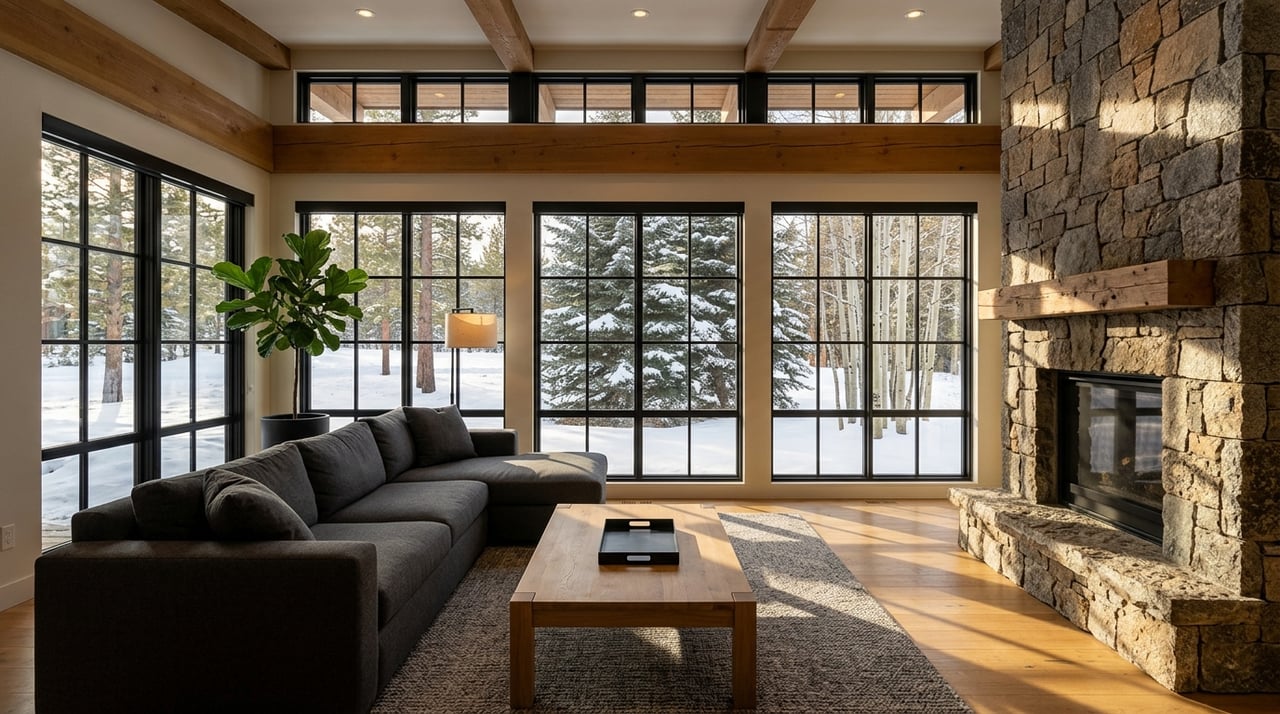
Townhomes usually provide more square footage across multiple floors. You tend to get separate bedrooms, a defined living and dining area, and more natural separation for quiet time. This suits families, longer stays, or a primary‑residence feel.
Condos share hallways, elevators, and more common areas, so noise can be higher, especially in buildings with frequent guest turnover. Construction quality and location within a building make a difference.
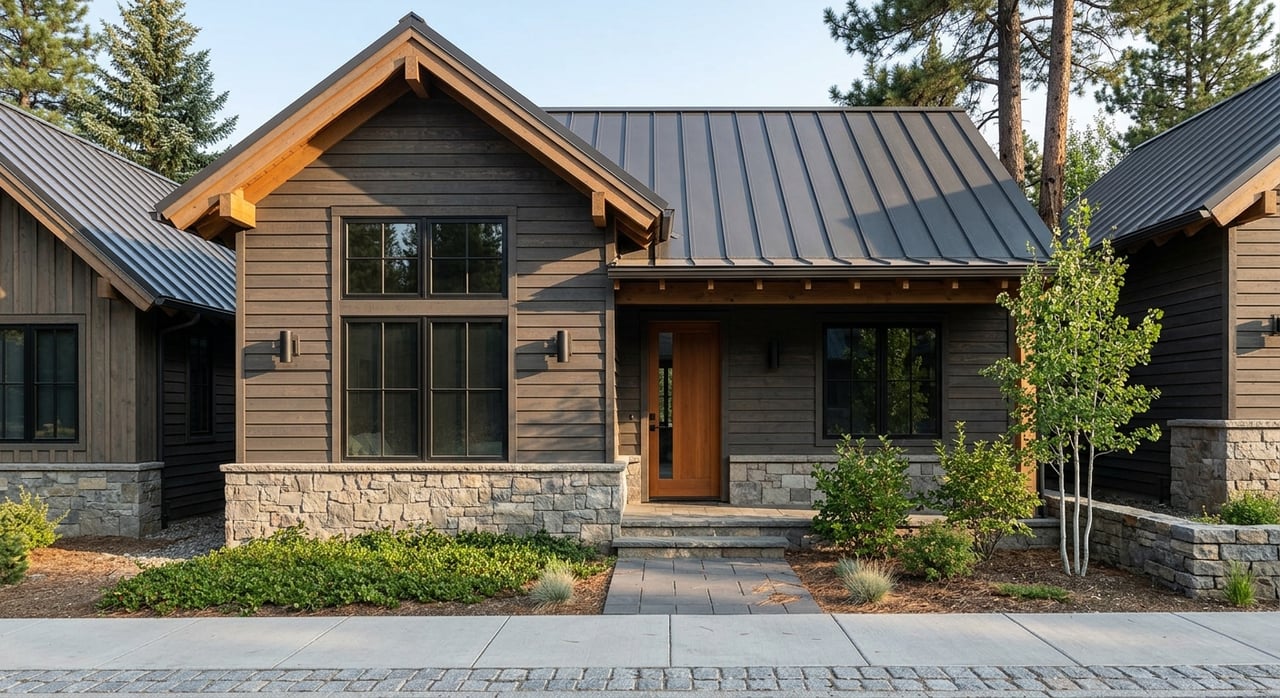
Townhomes typically share fewer walls and have private entrances. If you value a quieter residential vibe, a townhome often feels more private.
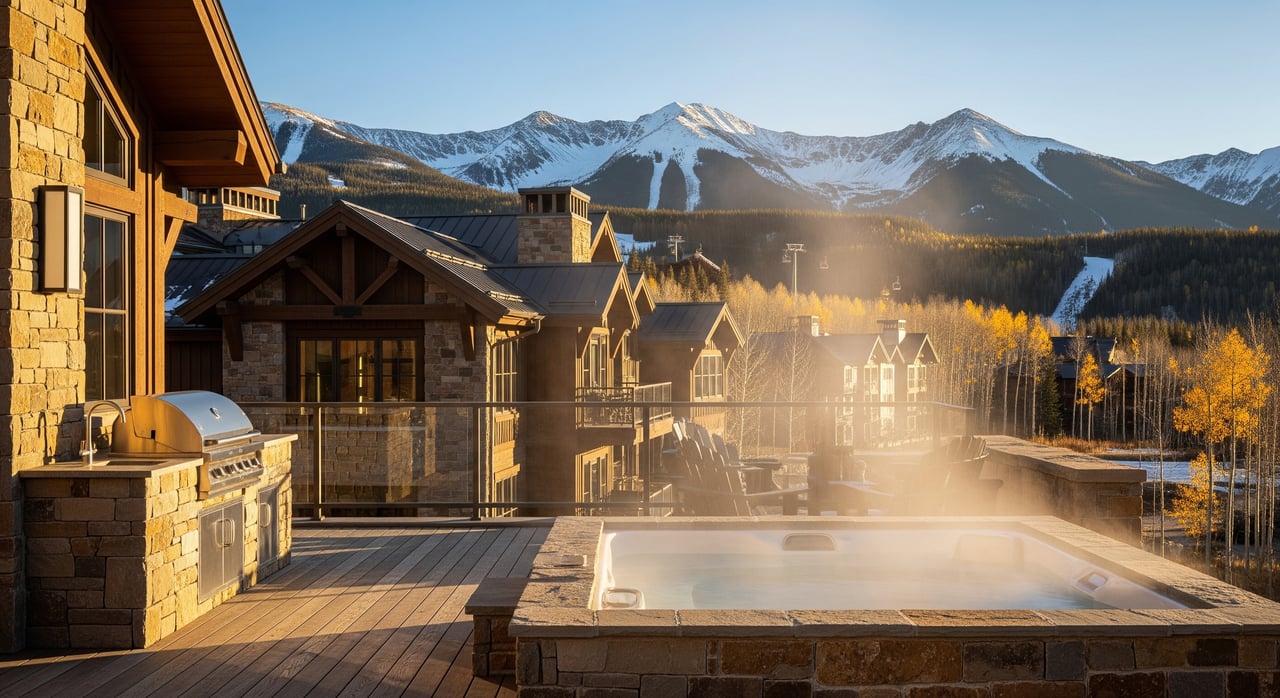
Many condos sit in Keystone Village or near the base. That walkability is a major perk for quick trips and ski season convenience, and it supports premium rental demand.
Townhomes can be closer to parking and shuttle stops but may be farther from the village core. If you are fine with a short drive or shuttle for more space and storage, a townhome can be a smart trade.
Condos often offer shared or limited parking. Storage lockers can be small, which matters for gear‑heavy households.
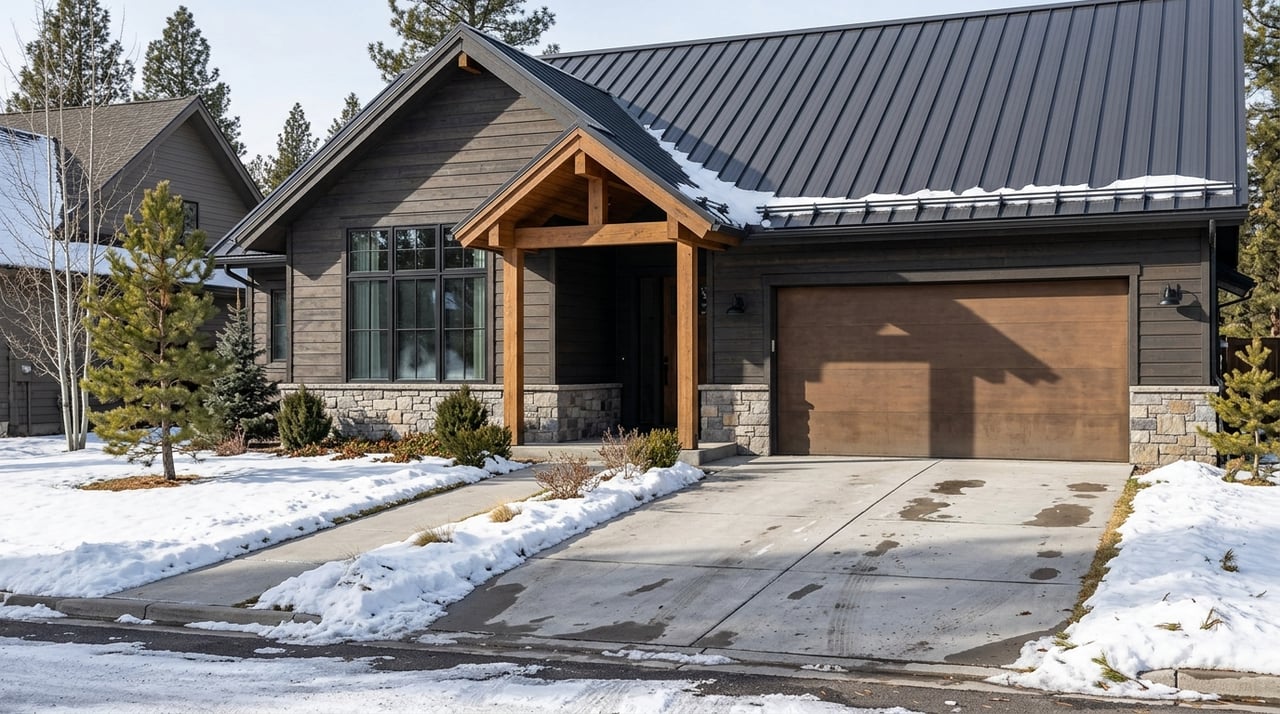
Townhomes are more likely to include private garages or dedicated spaces. Extra storage for skis and bikes is a real lifestyle upgrade if you visit often or host longer stays.
Pet policies are HOA specific. Townhome HOAs may feel more flexible and family‑friendly thanks to private entries and more room, while condo buildings may have stricter rules. Always confirm the exact policy in writing before you buy.
Condo HOAs often handle exterior upkeep, snow removal, landscaping, building systems, and sometimes on‑site services like a front desk. That convenience can mean higher dues.
Townhome HOAs vary. Some are comprehensive, while others expect owners to handle more exterior items like roofs or driveways. If you want a quieter, low‑turnover experience, townhomes often have fewer nightly guests coming and going.
Keystone’s strongest rental season is winter from December through March, with summer and fall bringing secondary demand tied to outdoor recreation and events. Condos near lifts or in the village see higher occupancy and average daily rates in peak ski months thanks to walkability and convenience.
Condos near the base tend to excel at short‑term vacation rentals. They are easy to advertise and book for nightly or weekly stays.
Townhomes and larger condos can attract monthly or seasonal renters who want space and a residential feel. This approach often reduces turnover costs and vacancy risk, though it usually produces lower monthly revenue than peak nightly rates.
Prime village condos can deliver strong revenue per square foot when winter demand is high. Just remember the cost side: HOA dues, cleaning and linen service, utilities, insurance tailored to short‑term rentals, and property management fees all affect net income.
Townhomes may generate steadier cash flow with fewer turnovers and longer stays. Peak nightly rates may be lower than walkable condos, but consistency can be appealing, especially if you prefer less intense management.
Many Keystone owners use professional managers for booking, housekeeping, marketing, and guest services. Full‑service resort management fees commonly range from 20 to 40 percent of gross revenue, and buildings affiliated with resort lodging may include built‑in booking channels along with rules and revenue sharing. It is essential to review any management agreement before you commit.
Summit County requires owners to follow short‑term rental permitting, registration, and health and safety standards. Lodging taxes and state sales tax apply. Policies have evolved in recent years, and the county may require mitigation actions or fees for certain licenses. Check current procedures with Summit County and the Colorado Department of Revenue before making assumptions about rental eligibility or net income.
HOA and condo association rules can set minimum stays, rental caps, approved management companies, registration steps, and even blackout periods for owner use. Some associations charge additional fees for rental activity. Always request CC&Rs, rules and regulations, rental policy addenda, meeting minutes, and any pending amendments.
Some buildings in Keystone operate within resort lodging programs. These can help fill your calendar but may impose specific standards, fees, and revenue splits. Ask about deed restrictions, master association rules, and any special district requirements that affect your rights as an owner.
In Keystone, location matters. Condos that are ski‑in or walkable to lifts command premiums. Townhomes with more bedrooms and private amenities can bring higher total prices, though often at a lower price per square foot if they are not village‑adjacent. Broad resort demand, building amenities, and proximity to services all influence appreciation.
Condos with elevators, pools, and front desks generally post higher HOA dues. Townhome dues vary by community. Mountain properties may have higher insurance costs, and older buildings can face capital projects such as roof or elevator work. Reviewing HOA financials and reserve studies helps you anticipate special assessments and plan for long‑term upkeep.
Short peak seasons can drive strong gross revenue, but the math relies on high occupancy during those months if you aim for cash flow. Townhome strategies that target longer‑term renters may feel more predictable, though they often yield lower gross revenue than aggressive short‑term calendars.
A village‑area condo is hard to beat. You gain convenience for weekend trips and potential for premium pricing in ski season thanks to location and amenities. Budget for higher dues and active management.
A townhome aligns with longer visits, family use, and seasonal or monthly tenants. Private garages, multiple bedrooms, and fewer shared spaces can improve guest experience and reduce turnover.
Consider a larger condo within shuttle distance or a townhome near the base that you can position for extended summer and shoulder‑season stays. This can balance personal use with steady income and fewer turnovers.
Choosing between a Keystone condo and a townhome comes down to how you want to live and how you plan to rent. If you value walkability and premium peak‑season demand, a village‑area condo makes sense. If space, privacy, and storage matter more, a townhome likely fits your lifestyle and rental strategy.
If you want a tailored plan that accounts for your personal use, rental goals, HOA rules, and management options, connect with Rianna Royer. You will get operator‑level insight, neighborhood‑by‑neighborhood guidance, and a practical action plan to move forward with confidence.
Stay up to date on the latest real estate trends.
Let me be your beacon from our first interaction to close and beyond! Whether you are buying or selling, I look forward to serving your specific real estate needs and bringing unparalleled value and expertise.