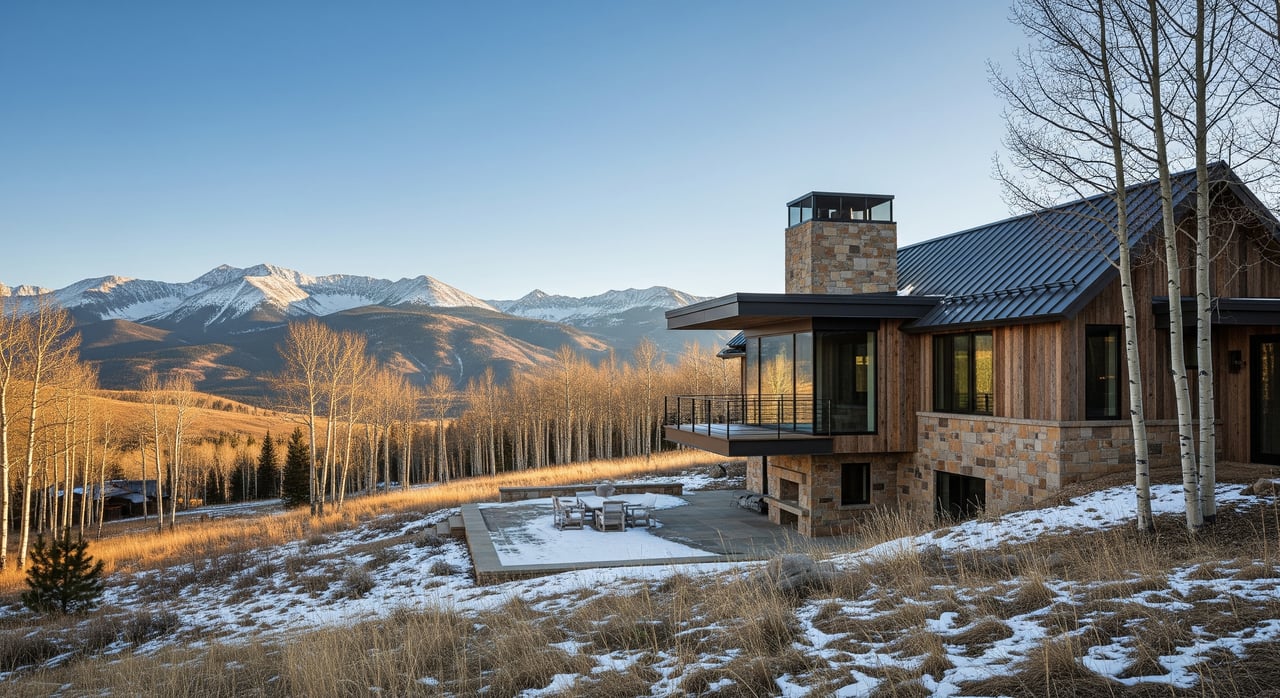
High Altitude Home Buying Basics in Park County, CO
December 25, 2025
December 25, 2025
Thinking about buying a mountain home in Park County at 8,000 to 10,500 feet? The scenery is unmatched, but high altitude changes how homes are built, serviced, insured, and lived in. If you plan ahead, you can avoid costly surprises and enjoy your cabin, ranch, or retreat with confidence.
This guide walks you through the essentials: road access, wells and septic, heating and roof design, wildfire and insurance, health and safety, and the exact inspections to order before you close. You’ll learn what to verify and why it matters for Park County. Let’s dive in.
Park County spans central Colorado and includes towns like Fairplay and Alma, where elevations often exceed 9,000 feet. At this height, you’ll see short summers, long cold winters, strong sun, and big day-to-night temperature swings.
Snow can linger into spring at higher elevations. Spring runoff is common and can influence roads, drainage, and access to more remote homes. Many properties are rural or semi-remote, so service levels vary by neighborhood and road type.
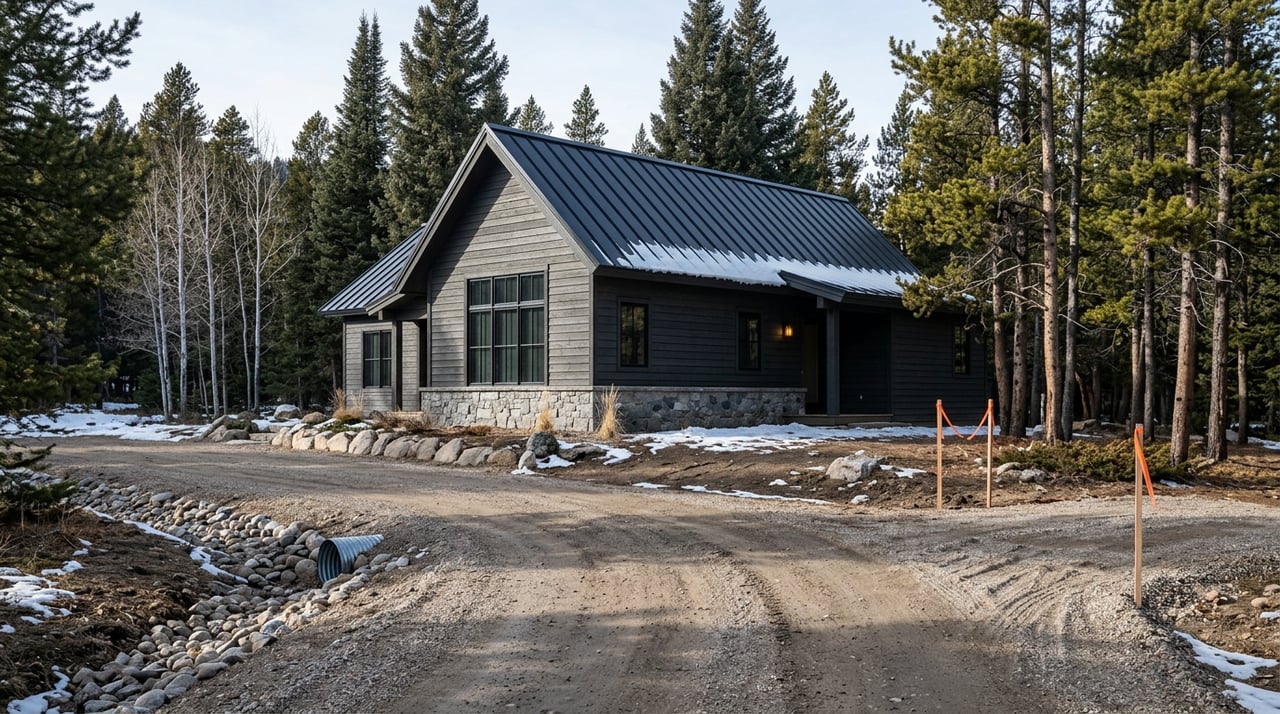
Not all roads are created equal. Some are county maintained, while others are private or unimproved and may not be plowed in winter. Before you fall in love with a property, confirm who maintains the road and how snow removal is handled.
Look at driveway grade, width, and turnaround space. Steep or narrow driveways can limit plow access and emergency vehicle access. Budget for plowing or equipment if maintenance is your responsibility.
Many rural properties rely on private wells. Ask for the well permit, well log, and testing results. A proper workup includes pump yield, static water level, casing details, and water quality testing for bacteria/coliform and nitrates. Metals like arsenic or lead may be tested if indicated.
Colorado water law is complex and follows prior appropriation. Some properties use community systems, cisterns, or surface water with adjudicated diversion rights. Verify any recorded water rights, augmentation plans if applicable, and usage limits tied to the well permit.
Onsite wastewater systems are common in Park County. Cold climates and seasonal groundwater can affect drainfield performance. Request permits, design records, and a certified septic inspection.
Confirm the drainfield location, any repair history, and that the system matches the current number of bedrooms. Percolation and soil depth matter at altitude, especially with freeze and thaw cycles.
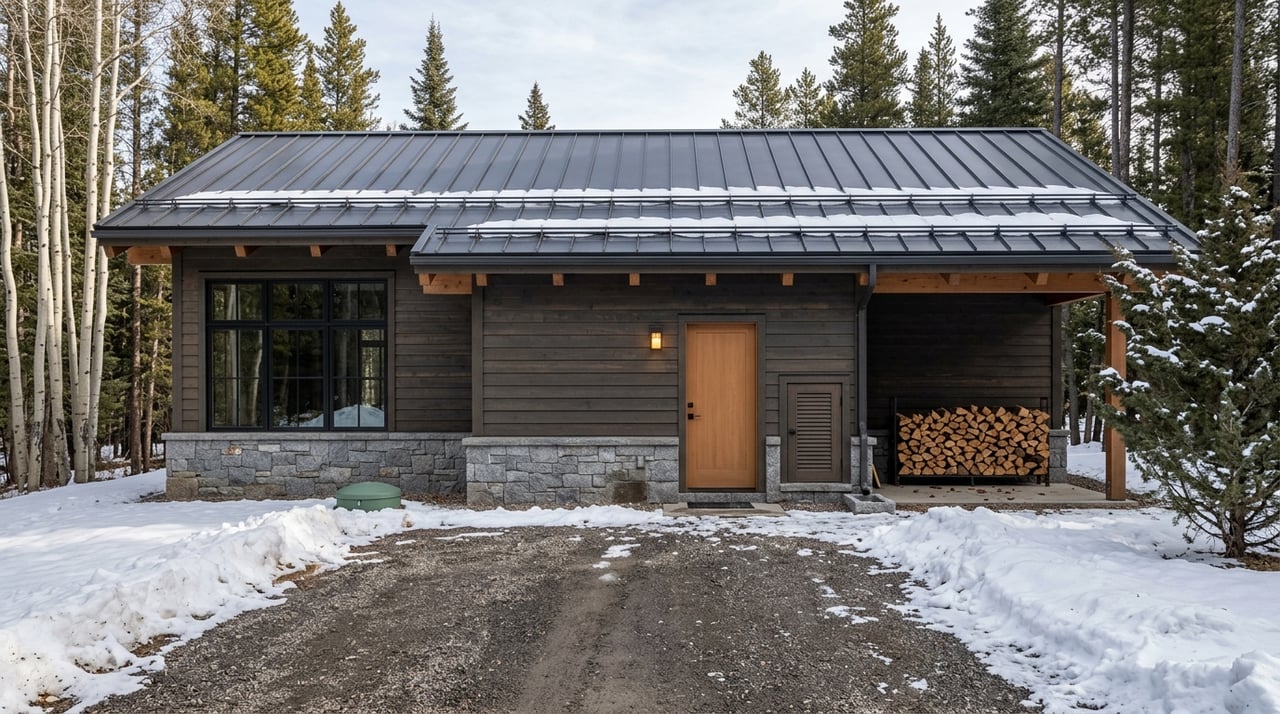
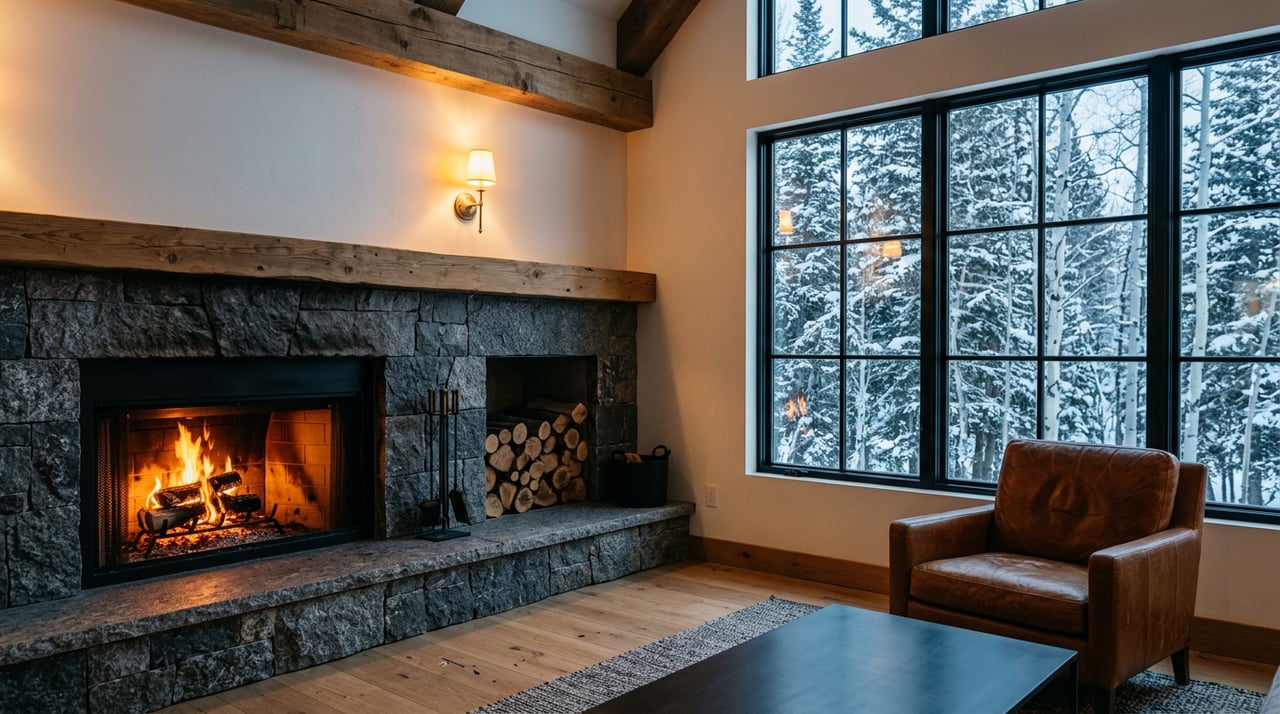
Natural gas is not always available. You’ll commonly see propane, fuel oil, electric resistance, and wood or pellet stoves. Cold-climate heat pumps are becoming more common but need proper design and backup heat for very cold snaps.
Combustion appliances often require altitude tuning or high-altitude models. Venting and chimney clearances matter, and carbon monoxide safeguards are essential. Ask for service records and altitude adjustment documentation during inspection.
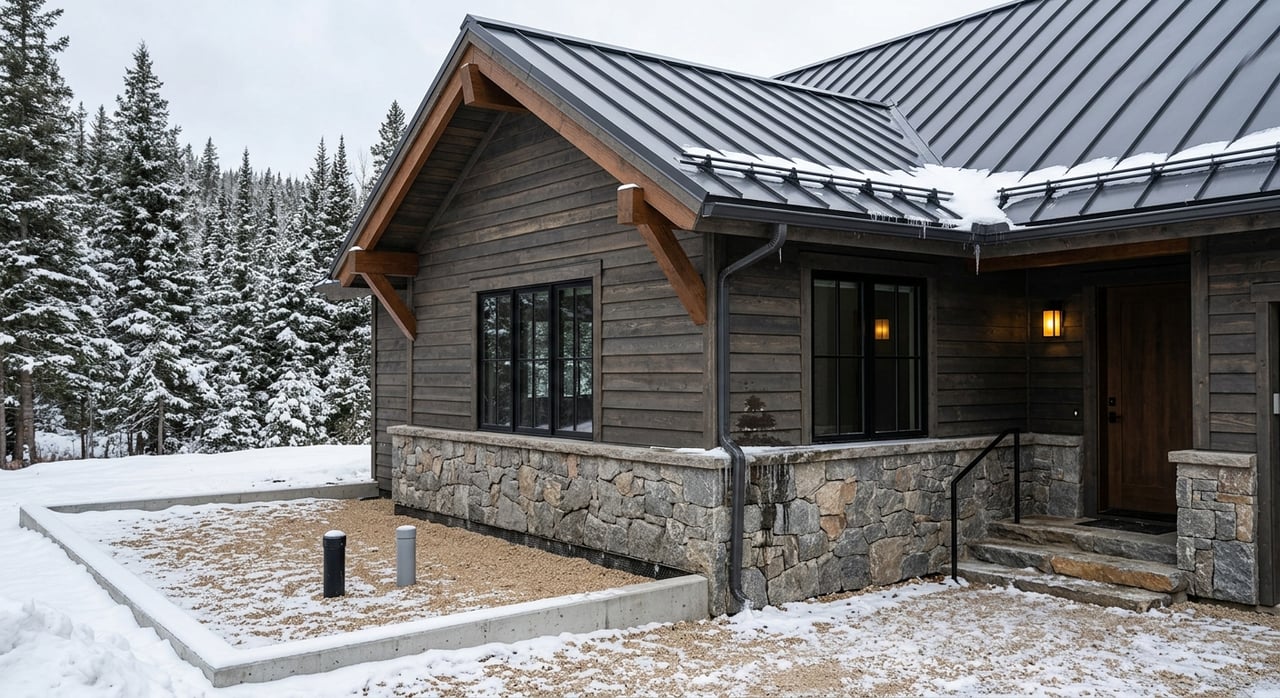
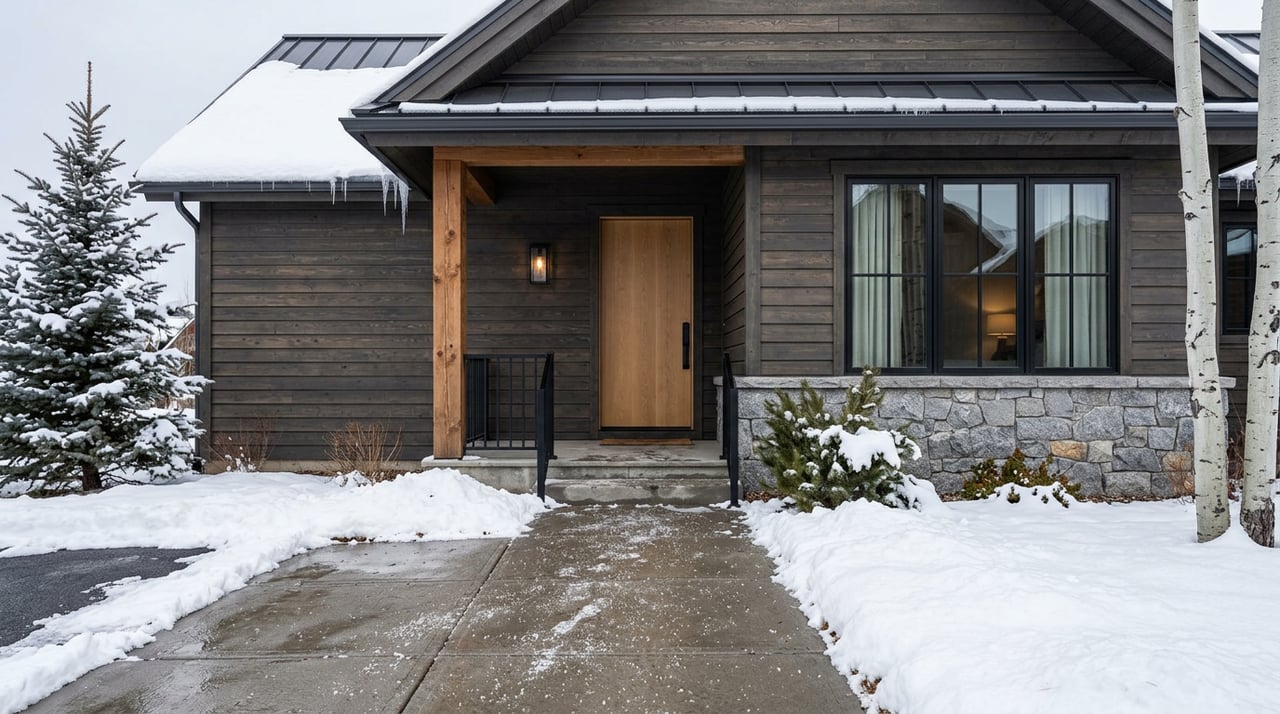
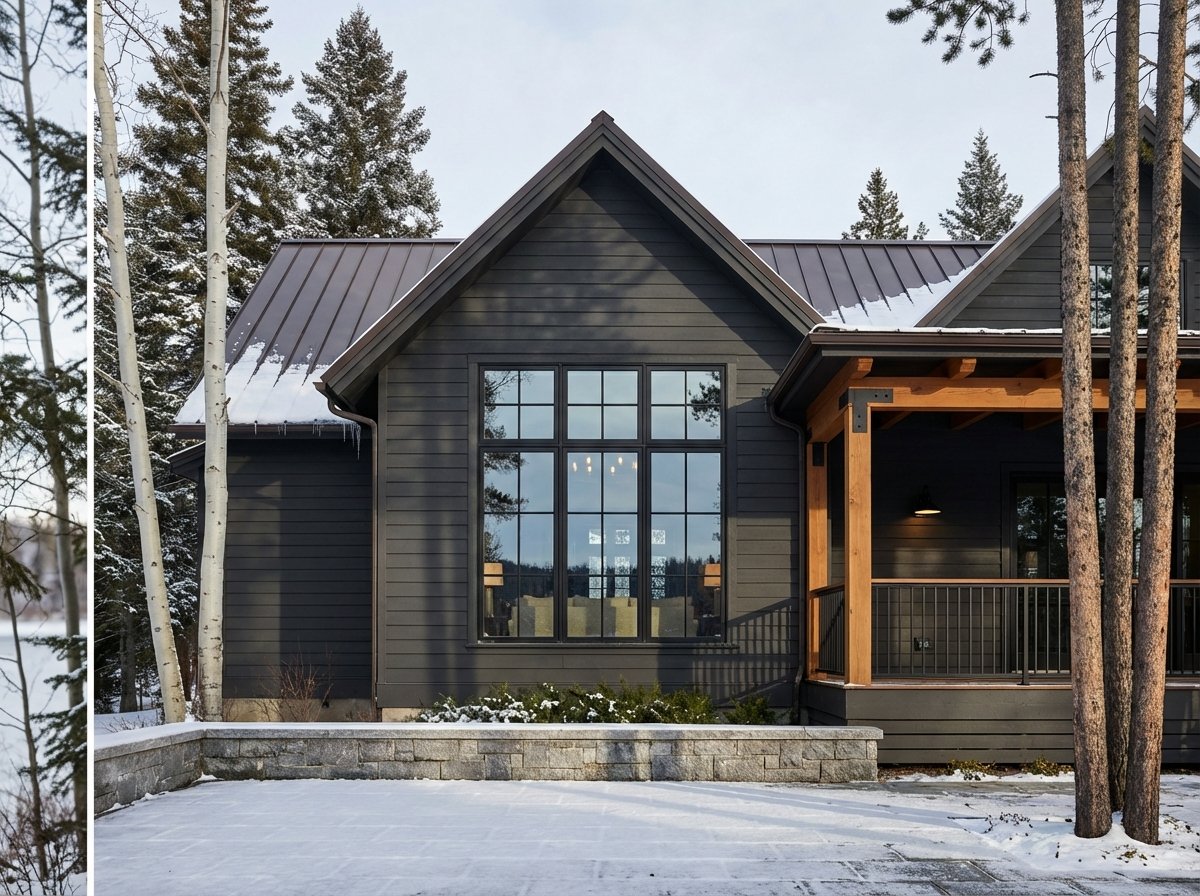
Mountain roofs must handle snow loads. Steeper pitches and durable materials like standing-seam metal help shed snow. Snow guards, well-detailed valleys, and ice-dam control are common features that protect eaves and entry areas.
Insulation and air sealing reduce heat loss and ice dams, while good ventilation helps prevent condensation and mold. Foundations must account for frost depth, and frost-protected shallow foundations or deeper footings are typical solutions.
Water and service lines should be buried below frost depth or insulated and heat-taped. Inside the home, keep plumbing within the heated envelope when possible to reduce burst risk.
Use freeze-proof hose bibs and insulate mechanical rooms. If a property has seasonal use, plan for winterization or remote monitoring to avoid freeze damage.
Grid power is typical in town centers, but some remote parcels have limited service capacity or are off-grid. Many owners pair propane with generators. Solar plus battery systems are increasingly common.
For internet, satellite, fixed wireless, and limited cellular coverage are frequent solutions outside population centers. If you need reliable connectivity, verify service on site and confirm available speeds and providers.
Many neighborhoods border forested areas. Look for defensible space, ember-resistant vents, and non-combustible roofing or siding where practical. These steps can influence insurability and reduce risk.
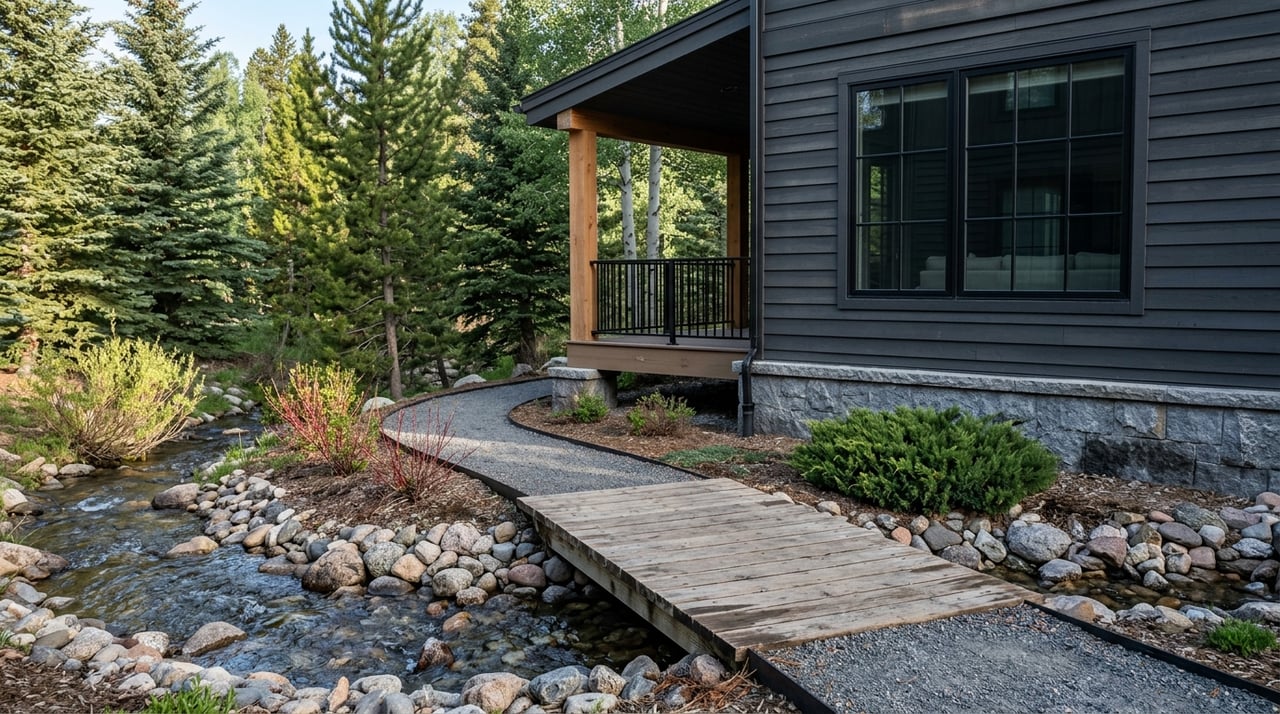
Steep slopes and canyons may carry avalanche risk. Spring snowmelt can cause localized flooding along creeks and drainages. Review local hazard information and flood mapping for the parcel.
High altitude can cause short-term symptoms and can affect those with cardiovascular or pulmonary conditions. Plan time to acclimatize and understand your personal limits.
Emergency medical services and hospitals are farther apart than in cities. Know the nearest clinic and ambulance coverage and set realistic expectations for response times, especially in winter.
Park County regulates building, septic, and wells at the county level, and zoning guides land use and setbacks. Short-term rentals, subdivisions, and some accessory uses may need additional permits or compliance.
Water rights are a separate layer managed by the state. Title can also include mineral reservations or easements that affect how you use the land. Insurance availability and pricing may reflect wildfire exposure, remote access, roof and snow-load history, and water or sewer issues.
Consider additional coverage options such as well failure, septic backup, loss of use if roads are impassable, and higher liability limits if you plan seasonal rentals.
High-altitude homes are not one-size-fits-all. The same elevation can mean very different realities from one parcel to the next. A local, mountain-focused advisor will help you verify permits, evaluate infrastructure, and line up specialized inspections so you buy with clarity.
As a boutique, hands-on mountain property specialist, Rianna pairs local knowledge across Park County and Summit County with practical operator experience in second homes, short-term rentals, and land. If you want a consultative approach and a smooth process from first tour to closing, reach out to Rianna Royer to start a focused, property-specific plan.
Stay up to date on the latest real estate trends.
Let me be your beacon from our first interaction to close and beyond! Whether you are buying or selling, I look forward to serving your specific real estate needs and bringing unparalleled value and expertise.