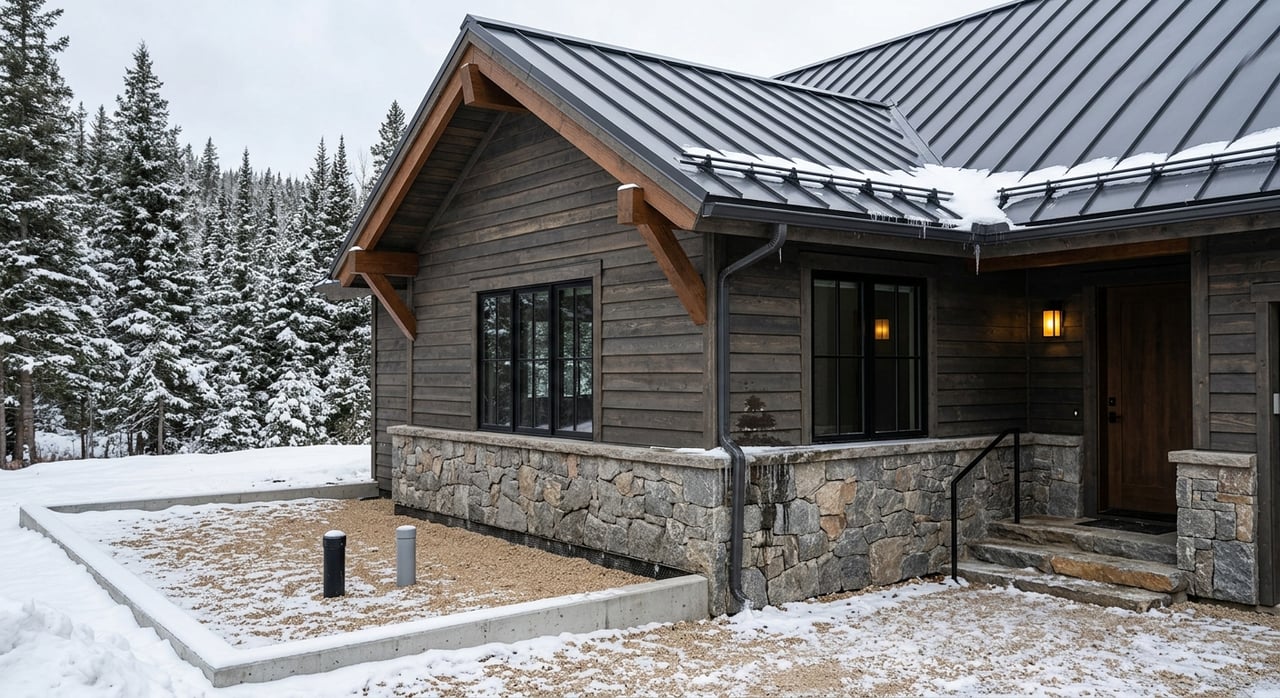
Overview of New Construction and Development in Keystone
April 2, 2026
April 2, 2026
If you have been watching Keystone, you have probably noticed that new construction stands out here more than it does in many mountain markets. That is partly because Keystone’s housing stock is relatively mature, with the town reporting that 82.8% of units were built between 1970 and 2000 and only 17.3% of units were occupied full-time in 2023. Whether you are looking for a second home, evaluating rental potential, or trying to understand where growth may shape the market next, it helps to know where development is happening and what the public record actually says. Let’s dive in.
Keystone is now a newly incorporated home-rule town, and that shift matters for anyone tracking growth. The town describes Keystone as home to roughly 1,300 full-time residents, more than 3,600 condominiums and homes, a deed-restricted workforce-housing area, about 2,100 seasonal beds, and a peak ski-weekend population of 25,000, according to the town’s housing and planning materials.
That backdrop helps explain why new projects get so much attention. In a market with a large share of older, seasonal, or part-time housing, even a modest new development can noticeably affect inventory, buyer interest, and how different areas of Keystone feel over time.
It also means Keystone is not one single construction story. Summit County’s neighborhood overlay map breaks the area into subareas such as River Run Keystone, Lakeside Keystone, Mountain House Keystone, Ski Tip Keystone, Wintergreen Keystone, Keystone North, Keystone Ranch, and Old Keystone. If you are comparing opportunities, that subarea view is often more useful than thinking about Keystone as one uniform market.
The most visible resort-adjacent project is Kindred Resort in River Run Village. The town’s housing assessment describes Kindred as a 107-room luxury resort property with residences, noting that it was under construction and slated to open during the 2025/26 ski season, while later updates indicated the project was nearing completion, according to the town work session packet.
For buyers, projects like this often signal more than new inventory alone. They can also point to changes in how a base area functions, including lodging options, pedestrian activity, and the overall mix of hospitality and residential uses near the lifts.
Another clear River Run example is Alcove at River Run. The developer reported that the 24-townhome project sold out and was completing for the 2024/25 ski season, as referenced in the same town housing assessment materials.
Outside River Run, the pattern shifts toward smaller infill and corridor-specific projects. One example is Brightwood Lofts at 22101 US Highway 6, where Summit County grading permits identify Lodge, LLC and Summit Homes Construction, and the town’s housing assessment says the project was under construction in mid-2025 and planned as one- to three-bedroom condominium residences, according to county permit records.
This kind of project matters because it reflects a different type of growth than a large resort complex. Instead of adding a major destination property, infill development can gradually expand housing choices along key corridors and established parts of Keystone.
The Seasons at Keystone is another example to watch. County permit records show Building F at 117 Lake Ridge Circle moving through late-stage inspection steps in late 2025 and early 2026, and the town listed a Building F condo plat application on its active land-use page in February 2026, based on the same county record source.
Farther from the main base areas, development looks different again. Keystone’s draft comprehensive-plan materials describe the Village at Wintergreen and Wintergreen Ridge as part of the area’s employee-housing stock serving full-time Summit County workers and seasonal Vail Resort employees, according to the draft comprehensive plan.
That matters because workforce housing is part of Keystone’s long-term development picture, even when it does not look like traditional resort product. It can influence where full-time occupancy grows and where neighborhood patterns begin to shift over time.
Camber Townhomes is another notable example. The town reviewed a 14-unit project at 624 Montezuma Road in Ski Tip West PUD, with 12 market-rate units and 2 deed-restricted units, as outlined in the draft plan materials.
The same materials also point to a Paulson PUD narrative southwest of Independence Road, suggesting that some future growth may come through small planned-unit-development changes or density transfers on non-resort parcels. In other words, not every meaningful project in Keystone will be a large, high-profile village development.
If you are trying to separate marketing from real progress, Keystone’s public process gives you a practical roadmap. The town is still building out its first long-range planning framework, with Planning and Zoning Commission meetings in 2025 focused on the comprehensive plan update prepared by SE Group and Fehr & Peers using resident and stakeholder feedback, according to the town planning and zoning materials.
For day-to-day project tracking, the most useful sources are town land-use notices, county permit records, and local infrastructure updates. Together, they tell you whether a project is still conceptual, actively under construction, or nearing completion.
Here is a simple way to read the paper trail:
That last point is especially important. The town notes that all proposed development requires a town permit, while Summit County handles building-permit review and inspections for structural, electrical, plumbing, and mechanical work, as explained in the town’s development and notice resources.
In Keystone, development is not only about private buildings. Public improvements can also signal where growth is being supported.
The town’s Highway 6 sidewalk request for proposals notes that Summit County approved a 54-unit multifamily project at West Keystone Road and US 6 in 2023, with sidewalk plans submitted to CDOT in 2025, according to the town infrastructure materials. The town’s 2025 year-in-review also says the stretch of Keystone Ranch Road from Soda Ridge Road to Saw Whiskers Circle received a complete repave.
For buyers and investors, those details are useful because they can point to improving access, connectivity, and public investment near current or future projects. In a mountain market, infrastructure can shape convenience just as much as the building itself.
Keystone’s development story now falls into three broad categories: resort-facing hospitality and ski-access product in River Run, smaller village-core and corridor infill, and workforce or neighborhood-scale projects farther from the lifts. Each one can offer a different ownership experience depending on what matters most to you.
If your priority is proximity to the resort core, River Run projects may stand out. If you prefer a more tucked-away setting or want to watch for smaller-scale opportunities, neighborhood and corridor projects may be more relevant.
For short-term-rental buyers, Keystone’s rules are now more local than they used to be. The town began regulating and licensing short-term rentals on September 30, 2024, and the short-term rental program page states that there is no cap on STR licenses in the Resort Overlay Zone while also making clear that a town STR license does not override HOA rules.
Keystone also implemented a 2% lodging tax effective January 1, 2025, and town materials say that revenue will support capital infrastructure, Highway 6 safety, streets and trails, and public safety. For you, that means rental analysis should go beyond nightly rate assumptions and include HOA restrictions, jurisdiction, subarea, and how a property fits within Keystone’s current STR framework.
A new luxury residence in River Run, a condo along the Highway 6 corridor, and a neighborhood-scale project in Ski Tip or Wintergreen can all serve very different goals. Some buyers will care most about ski access and amenities. Others will focus on layout, pricing, ownership costs, or long-term use patterns.
That is why it helps to read Keystone development through both a lifestyle lens and an investment lens. The public record shows a market evolving in several directions at once, not just through one headline resort project.
If you want help sorting through which Keystone projects, subareas, and property types best fit your goals, connect with Rianna Royer. You will get local, practical guidance grounded in Summit County market knowledge, rental insight, and a clear understanding of how mountain properties actually function in real life.
Stay up to date on the latest real estate trends.
Let me be your beacon from our first interaction to close and beyond! Whether you are buying or selling, I look forward to serving your specific real estate needs and bringing unparalleled value and expertise.