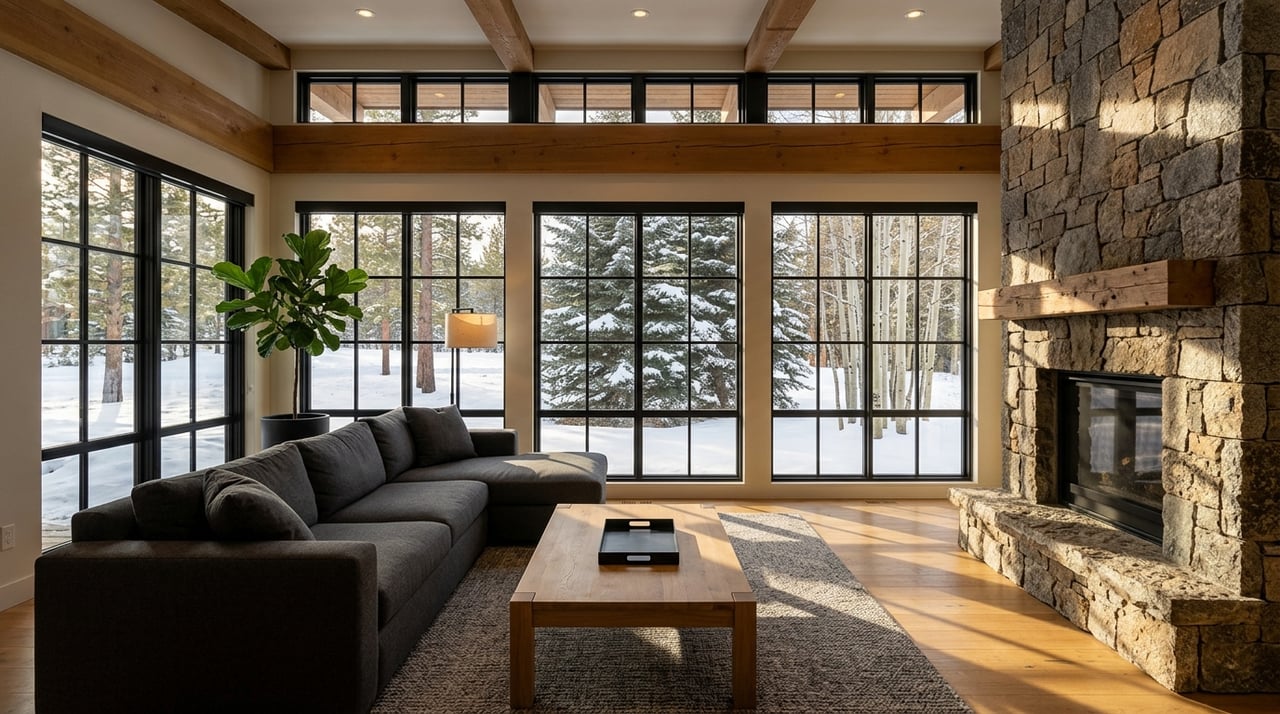
How to Sell a Breckenridge Home While Living Out of State
May 14, 2026
May 14, 2026
Thinking about selling your Breckenridge home while living in another state can feel like trying to manage a mountain storm from miles away. You may be wondering how to handle pricing, prep, showings, disclosures, and closing when you are not on the ground in Summit County. The good news is that with the right plan, a remote sale can be organized, efficient, and well-positioned for today’s resort-market buyers. Let’s dive in.
Selling in Breckenridge is not the same as selling in a typical year-round neighborhood market. The Town of Breckenridge reports a permanent population of about 4,863, but seasonal peaks can push that number above 39,000. That matters because many buyers here are second-home buyers, resort buyers, or buyers focused on rental potential.
That resort dynamic affects how your home is marketed and priced. A buyer may be comparing your property not just by size and condition, but also by access, parking, HOA details, and whether short-term rental use may be possible. When you live out of state, you need a strategy built for how Breckenridge buyers actually shop.
A broad county average is not enough in this market. Summit County data through February 2026 show a median sales price of $1,694,082 for single-family homes and $822,500 for townhouse-condos, with median days on market of 94 and 143 days respectively. That gap shows why your pricing should be tied to your specific property type.
A condo, cabin, or single-family home will attract different buyers and compete against a different set of listings. In a resort market like Breckenridge, buyers also pay close attention to presentation, ease of ownership, and whether the property feels turnkey. If your home checks those boxes, it may stand out more clearly when priced against the right peer group.
When you are selling from out of state, the best first step is to verify the details that can shape value and timing. In Breckenridge, that often means confirming short-term rental status, HOA requirements, and whether the property is inside town limits.
If your property is within the Town of Breckenridge and short-term rentals are part of the value story, local rules are important. The town requires a valid license for each property, the license number must appear in advertising, and licenses are non-transferable and non-refundable upon sale. HOA rules may also create additional restrictions, so both the town and the association should be reviewed early.
That point is especially important for investor-minded buyers. A buyer who hopes to use the property for rental income may view the home differently from a buyer focused only on personal use. Clear, accurate information helps shape a stronger pricing and marketing approach.
Remote preparation starts with a fresh walkthrough and organized documentation. Colorado’s Seller’s Property Disclosure is completed by you as the seller and is based on your current actual knowledge, not the broker’s. If you have not been to the property recently, it is smart to update your understanding of its condition before signing disclosures.
That usually means gathering records and checking the home’s current status, including:
If the home is in an HOA or condo association, buyers are entitled to the association documents listed in Section 7 of the Colorado contract. Gathering those records early can prevent delays once you are under contract.
Access matters more when a seller is not local. Lockboxes are commonly used in Colorado, but the Division of Real Estate warns that access codes should not be shared with third parties and that showings should be accompanied. For a vacant or seasonally used mountain home, that makes a controlled showing plan essential.
A good remote-sale plan should answer a few practical questions upfront:
If your home has security cameras, use added care. Colorado advises caution with audio recording because consent and public notice may be required, and video surveillance should be disclosed to avoid privacy issues. If you cannot personally supervise activity at the property, clear communication and proper disclosure become even more important.
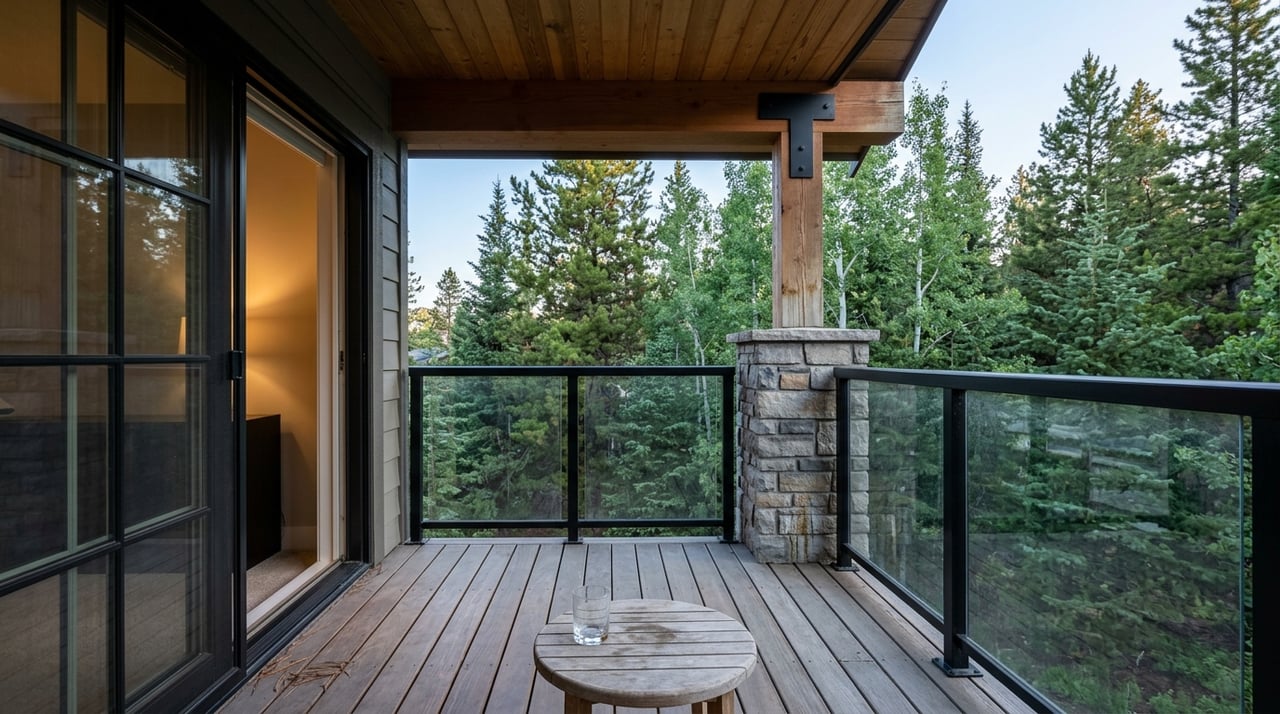
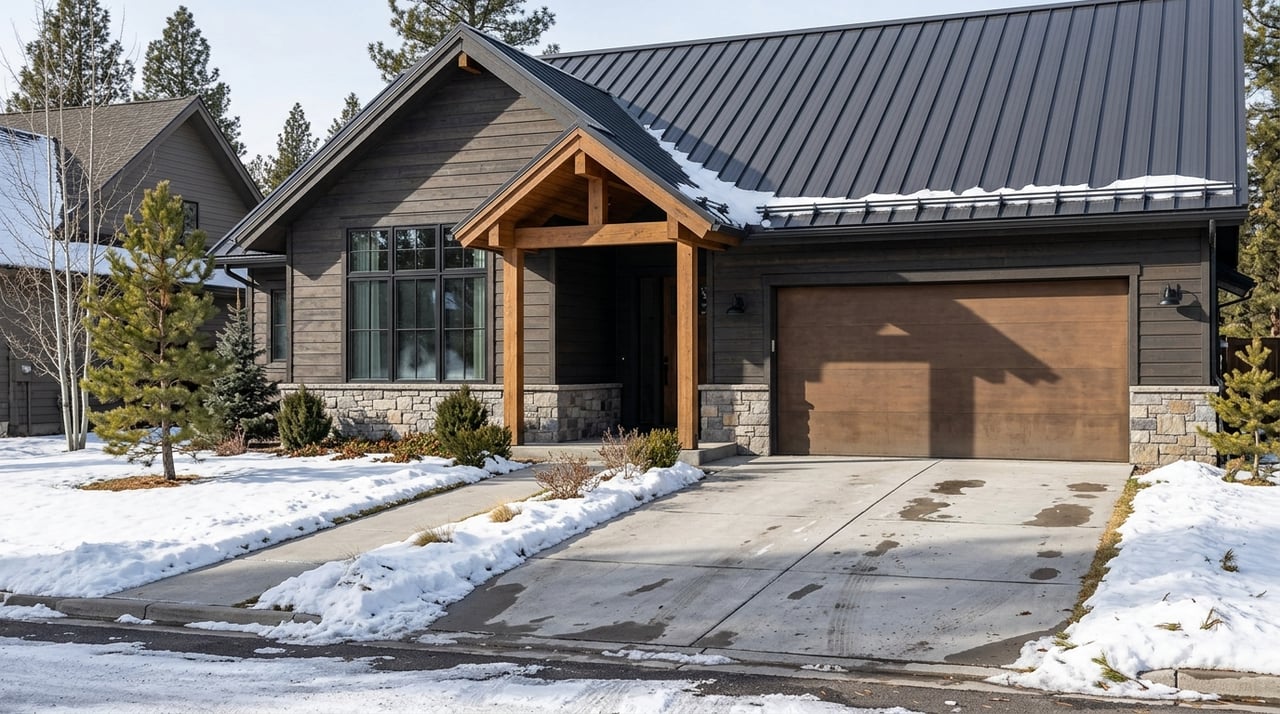
Breckenridge attracts many buyers who are not local, so your home needs to show well digitally before it ever shows in person. That is one reason a production-led listing approach matters so much in this market. Strong visuals and clear property information help buyers understand both the home and its fit in the resort setting.
For mountain and second-home properties, marketing should make it easy for a buyer to evaluate the details that affect ownership and use. That may include layout, storage, parking, HOA costs, views, access to town or recreation, and any confirmed rental considerations. Buyers often narrow their shortlist online first, especially when they are traveling in from another market.
A remote seller depends heavily on local execution. Colorado’s listing contract says a broker must present all offers in a timely manner, disclose adverse material facts actually known, account for money and property received, and keep the client fully informed. That framework matters even more when you are not physically present.
In practice, a high-touch local listing agent should help coordinate the moving parts that keep your sale on track. That includes communication, vendor scheduling, showing oversight, offer handling, and documentation. Consistent updates can make the process feel manageable, even from another state.
Here is what a clean remote-sale workflow often looks like:
If your property is inside the Town of Breckenridge, the town imposes a 1% real estate transfer tax on the gross consideration. The buyer or grantee bears the burden, and the tax must be received before the deed is recorded. Even though the buyer usually pays it, it still matters to your sale because it can affect the buyer’s cash-to-close and offer structure.
Timing matters too. The town says the online process is much faster than mail and is typically processed within five business days. If your sale is on a tight timeline, that should be accounted for early in the closing plan.
If you live out of state, Colorado nonresident real estate withholding may apply. According to the Colorado Department of Revenue, the withholding is generally the lesser of 2% of the sales price or the net proceeds, and it is reported on Form DR 1083 and remitted with DR 1079 within 30 days of closing.
This is one of the most important financial details for out-of-state sellers to understand before closing. It does not automatically mean that amount is your final Colorado tax liability, but it can affect your net proceeds at settlement. Planning for it early helps you avoid surprises.
It is also important not to confuse Colorado nonresident withholding with FIRPTA. FIRPTA is a separate federal rule that generally applies when the seller is a foreign person. These are different withholding frameworks with different rules.
You do not have to travel back to Colorado just to sign your closing documents in every case. The Colorado Division of Insurance notes that title entities typically handle title search, settlement statements, closings, and recording. The state also recognizes that closings can happen remotely, including situations where a closing agent comes to each party for document review and signatures.
Colorado also authorized remote notarization for electronic documents using real-time audio-video communication, effective December 31, 2020. Depending on the title company’s procedures and the document type, that can make remote signing much more workable for an out-of-state seller.
Remote closings are convenient, but they require extra caution. The Colorado Division of Real Estate warns consumers about wire fraud and title fraud. The safest practice is to verify wire instructions by phone using a known number and to be suspicious of any unexpected request to change payment instructions or sign transfer documents.
This is one area where slowing down is smart. A quick phone call to confirm details can protect your proceeds and prevent a costly mistake.
When you live out of state, your sale depends on what happens on the ground in Breckenridge. You need someone local who understands how resort buyers think, how mountain properties should be presented, and which property details can change value, timing, or negotiations.
That local execution can influence everything from disclosure prep and vendor coordination to showing access and buyer communication. In a market like Breckenridge, where second-home and investor demand often shape buyer behavior, details matter. The smoother and more organized your process is, the easier it is for buyers to say yes.
Selling from afar does not have to feel complicated when the plan is clear from the start. If you want experienced local guidance on preparing, positioning, and selling your Breckenridge home while you live out of state, connect with Rianna Royer.
Stay up to date on the latest real estate trends.



Let me be your beacon from our first interaction to close and beyond! Whether you are buying or selling, I look forward to serving your specific real estate needs and bringing unparalleled value and expertise.