Breckenridge Mountain Home Styles, From In-Town To Slope-Side
May 7, 2026
May 7, 2026
Wondering why one Breckenridge home feels like a historic mining-town cottage while another looks like a sleek alpine lodge near the lifts? That contrast is part of what makes buying here so interesting. If you are trying to decide between an in-town home, a slope-side condo, or a newer mountain property, it helps to understand how style, location, and local rules all work together. Let’s dive in.
In Breckenridge, home style is closely tied to where the property sits. The town grew from a mining camp into a ski destination, so you can still see that history in the homes and buildings around town.
If you are near Main Street or inside the Historic District, you will usually find smaller-scale homes with wood construction and simple, practical design. If you move toward Peaks 7, 8, or 9, the mix shifts toward condos, lodges, and townhomes built for resort living and ski access.
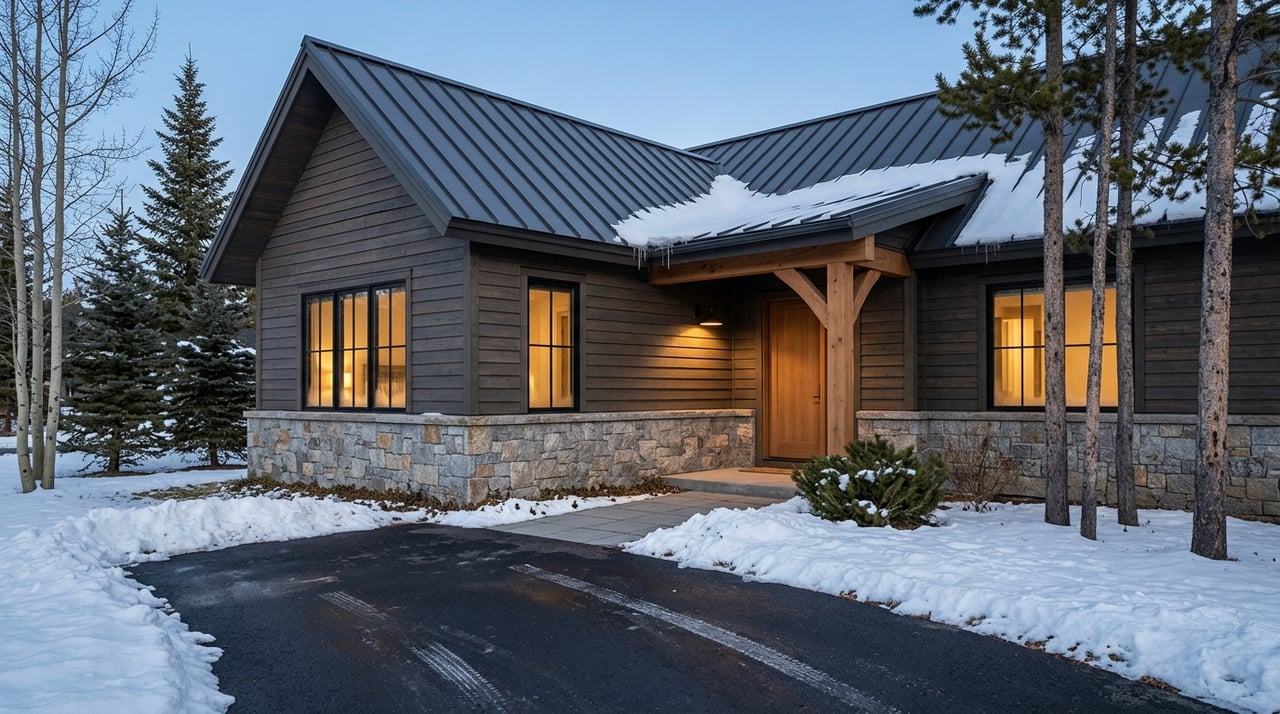
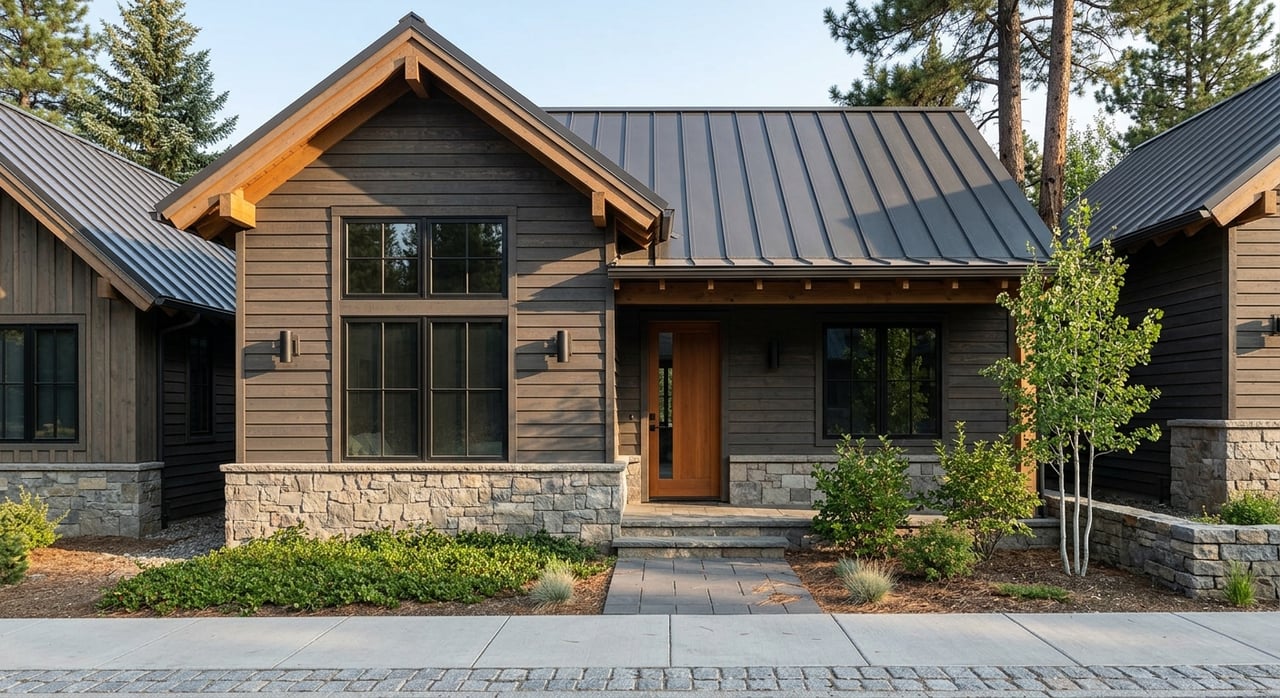
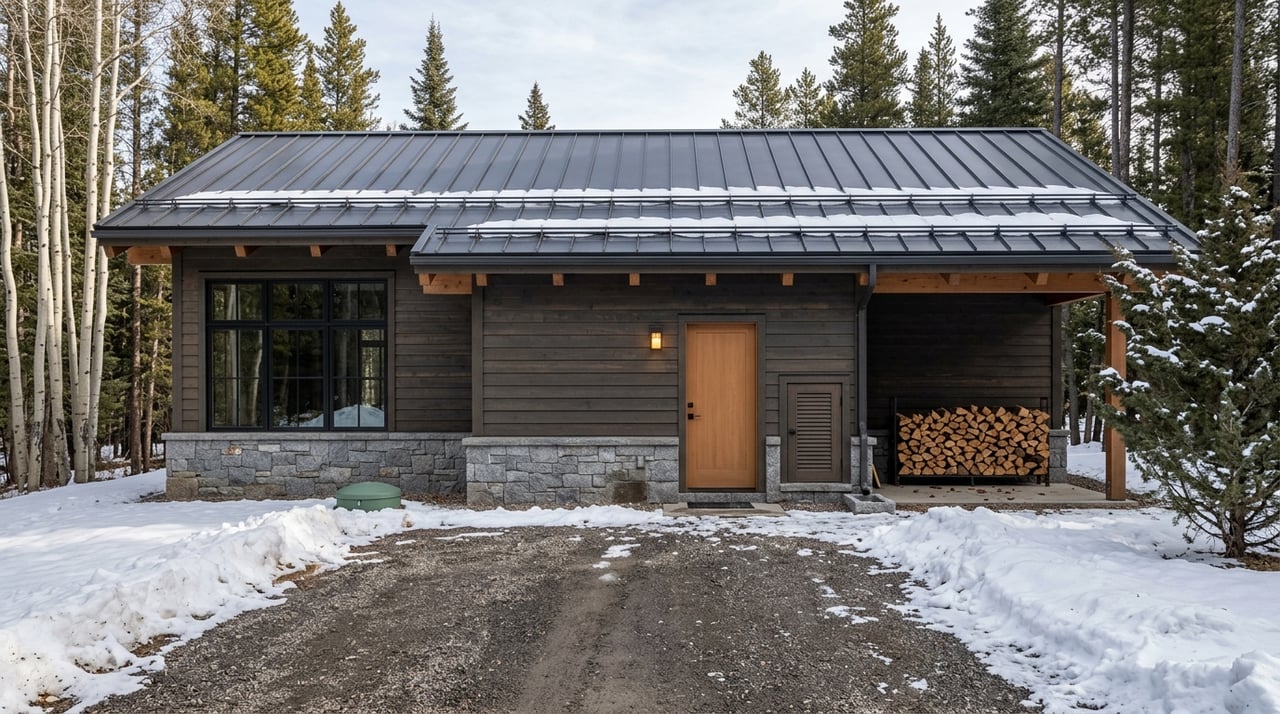
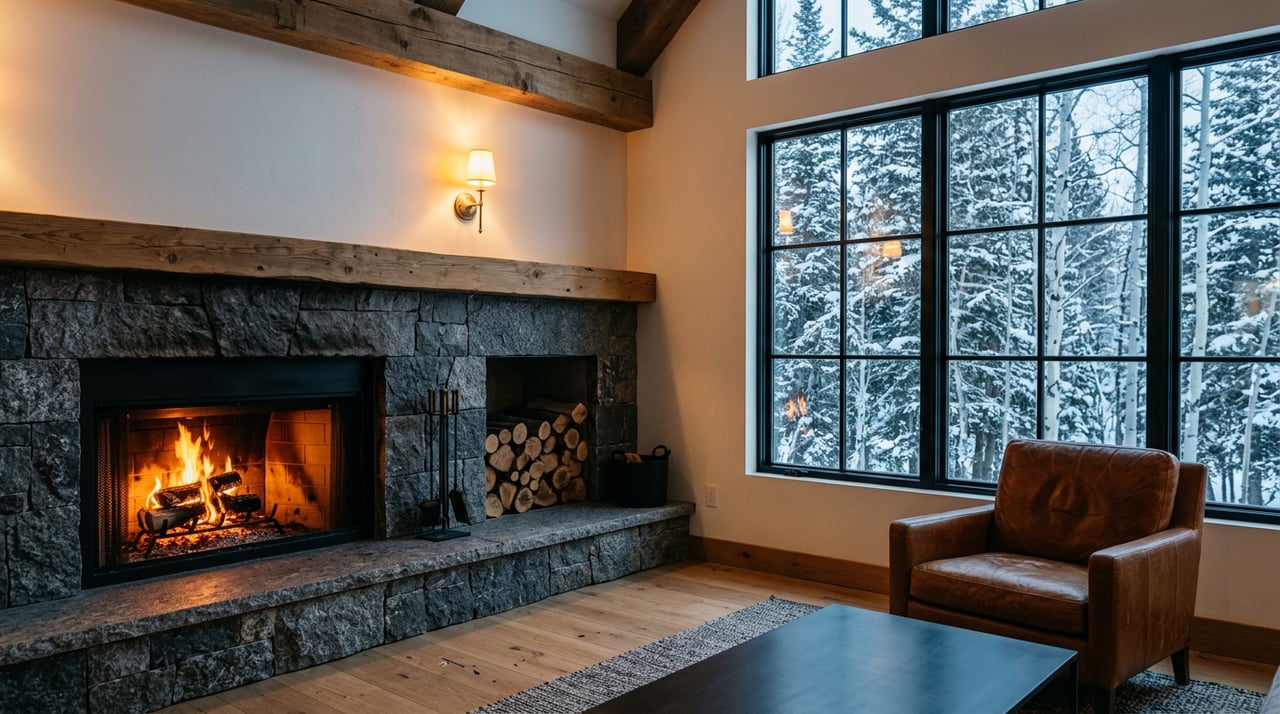
Outside the historic core, newer neighborhoods often lean mountain-contemporary. These homes usually feel more modern, but they still tend to use natural materials and forms that fit the alpine setting.
The classic in-town Breckenridge look comes from the mining era. Early homes included log cabins, frame cottages, and plain-sided wood homes that were built to be practical and durable.
That is an important point if you picture Breckenridge historic homes as highly decorative Victorians. Local history sources note that Breckenridge’s Victorian-era buildings are often less ornate than people expect, with a more rustic and workmanlike feel.
If you are drawn to walkability and that traditional Breckenridge character, the historic core offers a very specific housing experience. The Town’s Historic District is one of the largest in Colorado, and new construction or exterior changes in the Historic and Conservation District are reviewed for compatibility.
That review process helps preserve the look and scale of the area. In parts of the core, land-use standards favor smaller structures, landscaped front setbacks, and generally discourage buildings over two stories.
Older homes can be appealing for buyers who want charm and character, but they also require more due diligence. Design standards and preservation review may affect what changes you can make to the home.
Some historic properties may qualify for state historic preservation tax credits administered by History Colorado. Eligibility is not automatic, but it can be worth exploring if you are comparing renovation costs on an older property.
As you move closer to the mountain, Breckenridge home styles shift quickly. Peaks 7, 8, and 9 are the main base areas, and each supports a resort-oriented mix of properties.
Peak 7 is described by the resort as a smaller and more understated base area. Peak 8 is the heart of the resort, while Peak 9 is the closest base area to downtown and Main Street.
If you want easier ski access, you are more likely to see these property types:
This part of Breckenridge tends to offer a different lifestyle than the historic core. Instead of small cottages and cabins, you are looking at homes and buildings designed around access to lifts, base-area services, and resort convenience.
At the base of Peak 8, local land-use rules allow a broad mix that includes single-family homes, duplexes, townhomes, condominiums, hotels, and lodges. The district encourages contemporary architecture that uses natural materials and fits the mountain setting.
In simple terms, that often means the design may feel newer and cleaner than in-town historic homes, but it is still meant to feel alpine rather than urban. You will often see materials and forms that suit snow, steep terrain, and the resort setting.
In slope-side Breckenridge, the lifestyle value often comes from how you move between town and the mountain. The BreckConnect Gondola links town to Peak 8 and also stops at Peak 7, which helps connect a Main Street base with ski-area access.
That means two properties with different styles may still serve a similar lifestyle goal. One buyer may prefer a condo steps from the lifts, while another may want to stay closer to downtown and use the gondola connection.
Not every Breckenridge property fits neatly into either the historic or slope-side category. Some neighborhoods act as transition areas between downtown and newer development.
For example, areas west of the Blue River and near the central business district are described by the Town as transition zones between historic downtown and newer condominium development. In these locations, contemporary architecture may be allowed if it stays compatible with the broader community.
In lower-density residential areas south of downtown and east of Warriors Mark, the Town encourages single-family and duplex homes with contemporary architecture. These homes often offer a different experience from older in-town cottages.
You may find more setbacks, a different relationship to the lot, and a larger overall scale depending on the district. Even so, district-specific rules still matter, so style and size can vary from one area to the next.
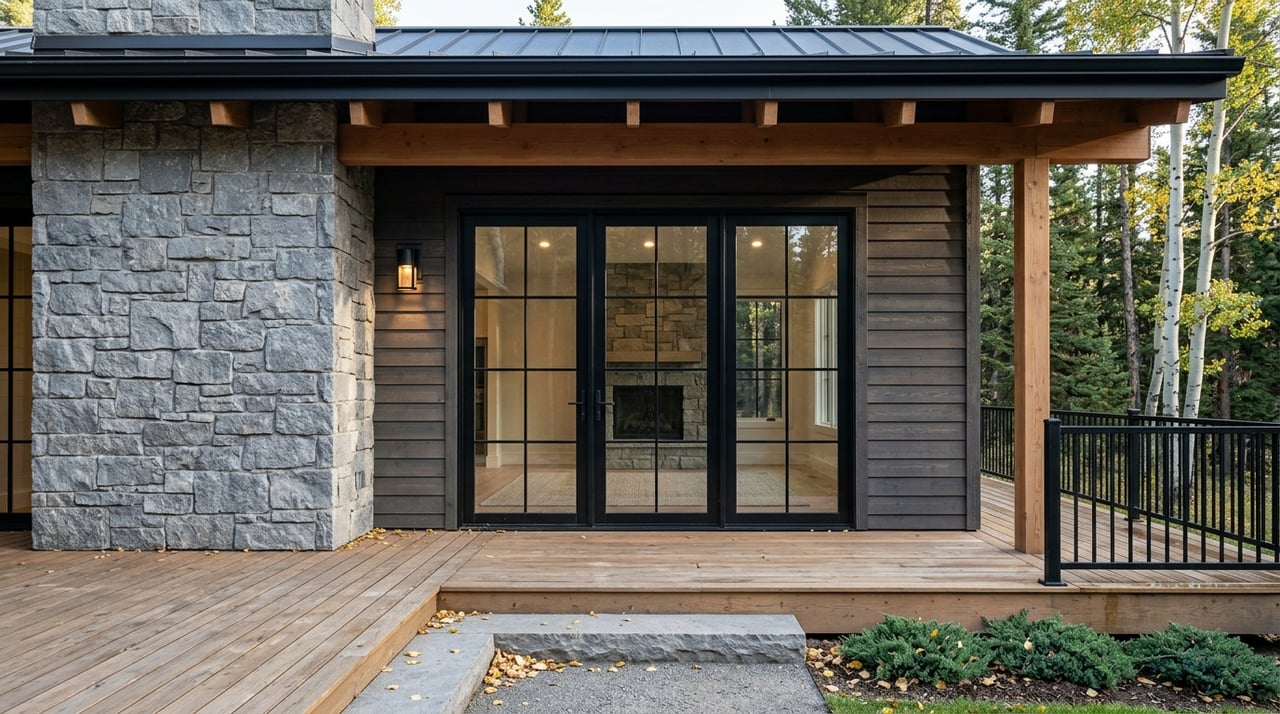
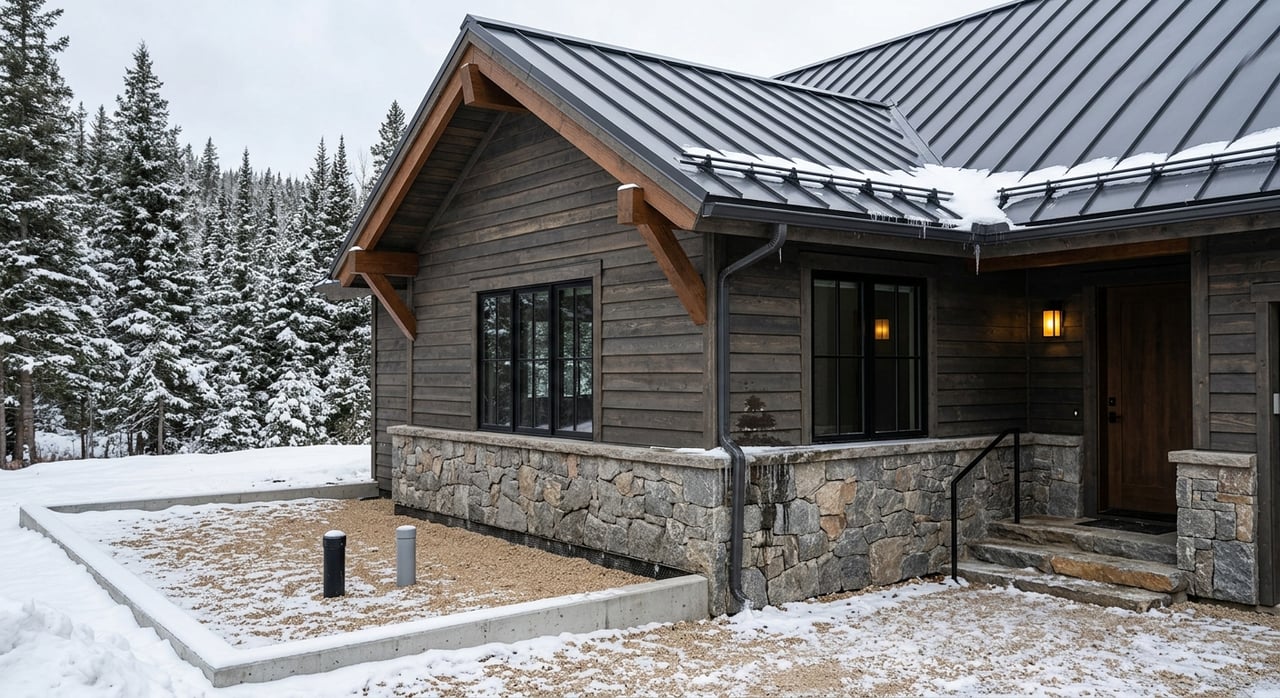
In Breckenridge, newer mountain-contemporary homes are not simply copies of historic buildings. They usually focus more on clean lines, natural materials, and designs that respond to the mountain environment.
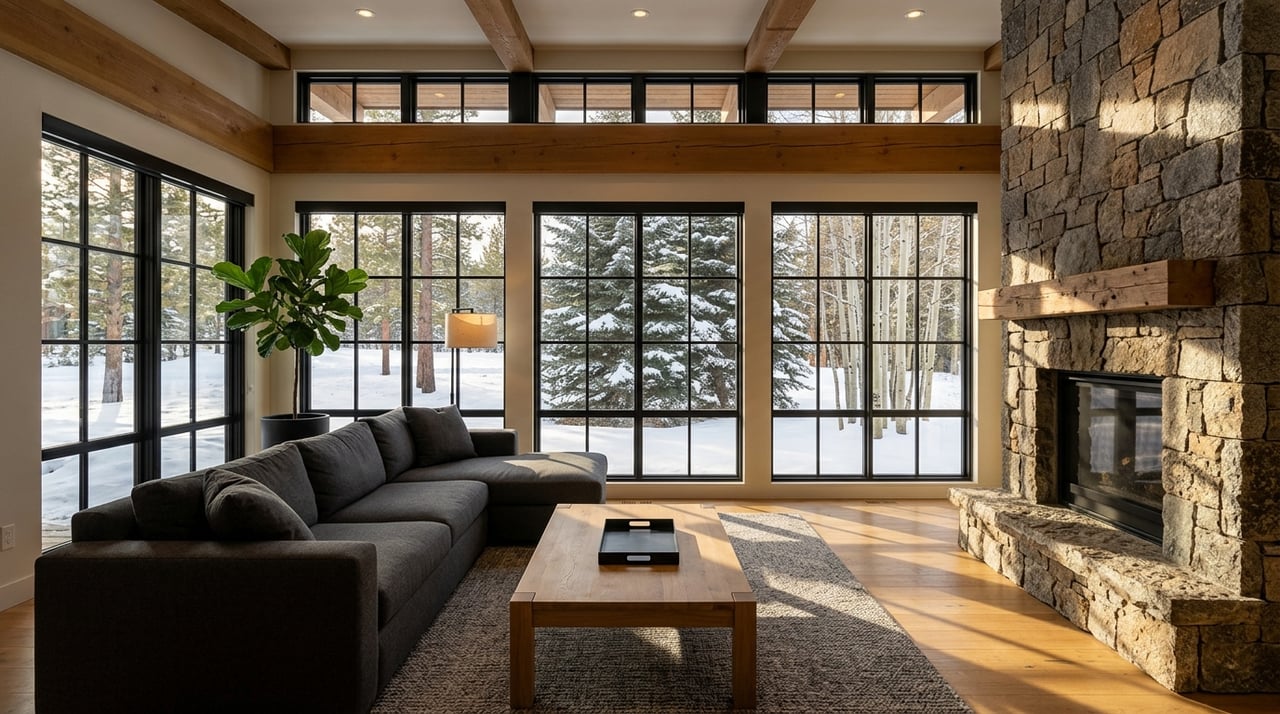
For buyers, this often translates to homes that feel newer and more open while still fitting the local alpine character. The exact outcome depends on the parcel, district standards, overlays, and any applicable master plans.
One of the biggest mistakes buyers make is focusing only on photos and floor plans. In Breckenridge, the style and future use of a property can also be shaped by zoning, overlays, and district standards.
The Historic District has design review for compatibility. Downtown overlay standards influence how buildings relate to the street and may limit certain residential layouts at ground level in core commercial areas.
District rules can also shape what kinds of homes appear in a given area. In the Peak 8 base area, for example, condos, lodges, condohotels, and hotels can be allowed up to five stories, while single-family, duplex, and townhome units are generally limited to two stories.
That helps explain why a resort-edge building may feel very different from a nearby residential property. The local framework is intentionally guiding different forms in different places.
If you love the idea of an in-town cabin or cottage, make sure you understand the design review process before planning major changes. The home’s location within the Historic or Conservation District can affect renovation scope and timelines.
This does not mean historic ownership is difficult. It means you should go in with a clear picture of the property’s character, constraints, and opportunities.
If you are considering a second home with income potential, architecture is only part of the story. Breckenridge requires a valid accommodation-unit license for rentals of fewer than 30 consecutive days, and the Town requires that license before advertising the unit.
The Town also uses four short-term rental zones with different limitations. HOA covenants may add more restrictions, and short-term rental licenses are non-transferable when a property sells.
This is especially important for investors comparing condos, townhomes, or cabins. Two properties may appear similar in style, location, or size, but their rental use can differ based on zone, HOA rules, and license status.
That is why it helps to evaluate Breckenridge homes through both a lifestyle lens and a practical one. A property’s look may catch your eye, but its district and use rules often shape the long-term fit.
If you want charm, walkability, and a direct connection to Breckenridge’s past, an in-town historic home may be the right fit. You should expect smaller scale, wood-based construction, and more attention to preservation compatibility.
If your priority is ski access and resort convenience, slope-side condos, lodges, and townhomes near Peaks 7, 8, or 9 may make more sense. These homes often offer a more contemporary mountain feel and a stronger resort-lifestyle focus.
If you want a newer home with modern design language, transition zones and lower-density residential areas may offer the best match. In those areas, mountain-contemporary style often brings a fresh feel while still reflecting Breckenridge’s alpine setting.
Breckenridge is not a one-style market, and that is a big part of its appeal. Whether you are looking for a Main Street cottage, a ski-access condo, or a newer mountain home, the best choice comes from understanding how architecture, zoning, and lifestyle all come together on a specific property.
If you want help narrowing down the right fit for your goals, Rianna Royer offers local, boutique guidance for Breckenridge buyers who care about both lifestyle and long-term property potential.
Stay up to date on the latest real estate trends.
Let me be your beacon from our first interaction to close and beyond! Whether you are buying or selling, I look forward to serving your specific real estate needs and bringing unparalleled value and expertise.