Setting Up A Turnkey Short‑Term Rental In Dillon
April 9, 2026
April 9, 2026
If you want a short-term rental in Dillon that is ready to book quickly, the setup matters just as much as the purchase. In a mountain market, small mistakes with licensing, layout, or operations can slow your launch and create avoidable headaches. The good news is that with the right order of steps, you can turn a Dillon property into a guest-ready rental that feels easy to own and easy to stay in. Let’s dive in.
Before you think about furniture, listings, or revenue, make sure the property is inside the Town of Dillon. The town is clear that town limits are not determined by zip code, and areas like Dillon Valley, Keystone, Summerwood, and Summit Cove are not in the town even if they may carry a Dillon mailing address. You can review that guidance in the Town of Dillon STR FAQs.
This matters because licensing, taxes, and compliance depend on jurisdiction. If you buy based on the assumption that a Dillon address means Dillon rules, you could end up planning around the wrong process.
Your next step is to confirm the property can be used as a short-term rental under any HOA documents, condo rules, or deed restrictions. In Colorado, associations may enforce leasing and short-term rental restrictions if their governing documents allow it, according to the Colorado Division of Real Estate HOA FAQs.
For buyers looking at condos or townhomes, this step is essential. A property can fit your budget and location goals, but if the governing documents limit short-term use, it may not work for your investment plan.
In Dillon, a short-term rental is a residential dwelling unit, or a room within it, rented for fewer than 30 consecutive days. The town also limits occupancy to 2 guests per bedroom plus 2 additional guests per property, and both the allowed guest count and STR license number must appear in advertising, per the Town of Dillon STR FAQs.
There are a few more basics to know early:
If you are buying with plans to launch fast, build these timing and cost details into your acquisition plan.
Dillon uses MuniRevs/GovOS for STR applications, renewals, and tax remittance. The town states that owners need to work through that system for applications and ongoing lodging, sales, and excise tax reporting through the town’s STR program page.
Tax planning is just as important as the license itself. According to the Town of Dillon lodging tax information, STR income within town is subject to:
The town also says lodging tax returns are due by the 20th of the following month, even if no tax is due. On the state side, the Colorado Department of Revenue notes that accommodations rented for fewer than 30 days are taxable and that sales tax generally applies to the full amount charged, including cleaning fees and similar charges.
Dillon also requires a town business license for any person or company remitting sales and lodging taxes. If you plan to use a manager, the manager may help with the application process, but the owner is still responsible for making sure it gets done correctly.
A turnkey rental is not just about looks. Dillon’s application asks for detailed life-safety information, including a floor plan that shows the property address, smoke detectors, carbon monoxide detectors, fire extinguishers, the electrical breaker box, windows, egress routes, first aid kits, and flashlights. You can find that checklist in the Town of Dillon STR FAQs.
This requirement shapes how you should set up the home. Safety information should be visible and easy for guests to understand on arrival, not buried in a drawer.
Dillon markets itself as a basecamp for Lake Dillon, the marina, the amphitheater, trails, disc golf, and winter recreation, with skiing minutes away in multiple directions, according to the Town of Dillon visitors guide. That guest profile tells you a lot about how a rental should live.
In most cases, the best turnkey setup is practical first and decorative second. Guests are often arriving with wet boots, skis, bikes, lake gear, or extra layers, so a home that is durable and easy to reset between stays will usually perform better operationally.
Choose finishes that can handle frequent turnover. Hard-wearing flooring, washable bedding, wipeable seating, washable rugs, and durable sofas make mountain use easier to manage.
These are not town requirements, but they are sensible choices based on how Dillon visitors use the area. A pretty setup is helpful, but a setup that still looks good after a busy ski weekend is even more valuable.
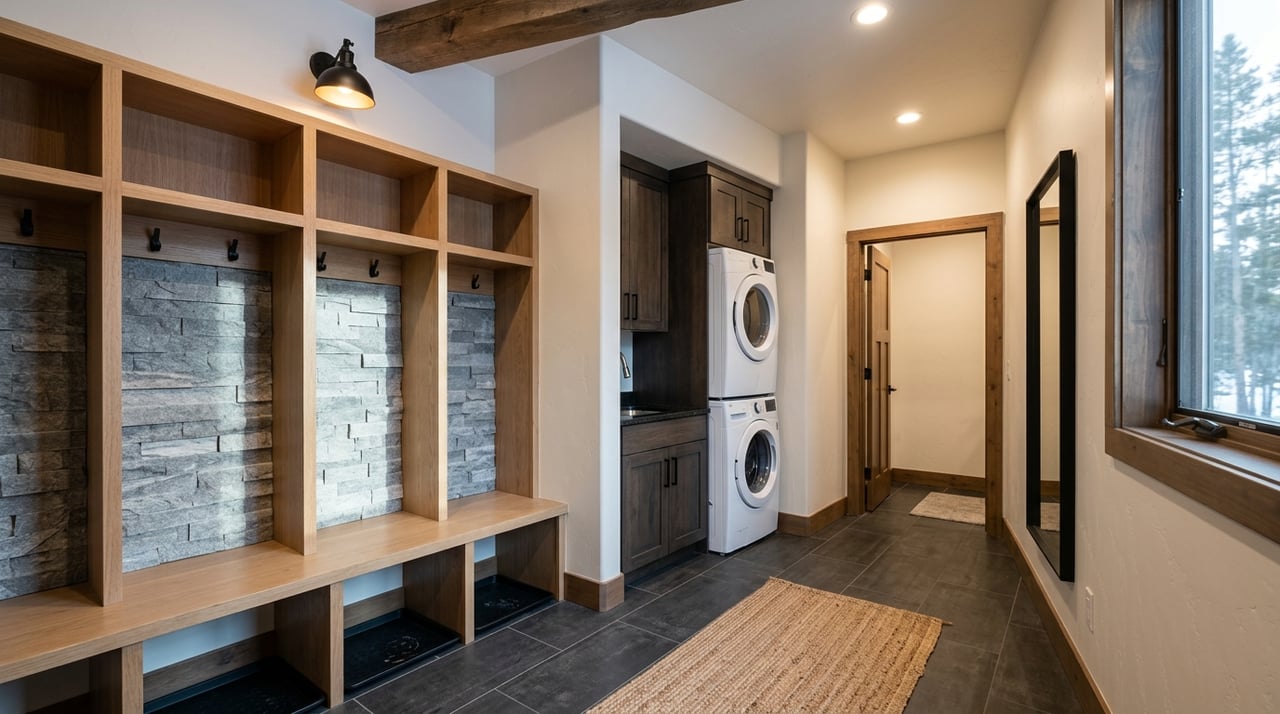
One of the highest-value upgrades in a Dillon rental is a better entry experience. A bench, coat hooks, boot trays, towel hooks, and simple storage can reduce mess and help guests settle in faster.
For a short stay, convenience goes a long way. When guests know exactly where boots, coats, and gear should go, turnover is smoother and the rest of the home stays in better shape.
A turnkey kitchen does not need to be oversized or overly styled. It should be efficient, easy to understand, and stocked for real use.
In a market where guests may spend all day on the lake, trails, or ski slopes, a practical kitchen often matters more than elaborate extras. Think function first, with enough supplies to support short stays comfortably.
Owner storage is one of the most overlooked pieces of a successful setup. A lockable owner closet, backup linens, organized consumables, and a dedicated place for cleaning tools can make turnovers faster and more consistent.
This matters even more in a market where guests may bring in wet gear and create heavier wear between stays. Hidden organization behind the scenes often makes a rental feel more polished to the guest.
If your turnkey strategy includes upgrades, check permit rules before scheduling contractors. Dillon states that many projects within town limits require a development permit, and that list specifically includes outdoor hot tubs and outdoor fireplaces. The town’s development permit application page also notes that decks, remodels, and some window or door replacements may require review.
This step can protect your timeline and your budget. If you want to add a hot tub, refresh a deck, or change exterior elements, confirm requirements before you order materials or advertise future amenities.
A turnkey short-term rental is only turnkey if the operations are ready too. Dillon notes on its business services page that the town does not provide trash, gas, electric, phone, or cable service, so owners need to line up those vendors directly.
That means your launch plan should cover more than furnishings. You should also have a documented process for cleaning, supplies, maintenance, utilities, and guest communication.
Most owners fall into one of three models:
Self-management gives you control, but it also means you are responsible for licensing, taxes, guest messaging, and complaint response. A local manager can simplify that process, and Dillon says a manager may complete the STR application if they handle listings and taxes for the owner.
Dillon operates a 24/7 short-term rental complaint hotline. The town says complaints may involve noise, occupancy, parking, pets, trash, wildlife feeding, and other code issues, and the responsible agent has 60 minutes to respond before unresolved issues can lead to suspension or revocation of the STR license.
That rule should influence how you staff and manage the property. If you live out of area, a reliable local response plan is not optional.
The town’s Good Neighbor Guidelines are a strong template for guest communication. They emphasize a 24-hour contact number, respectful noise levels especially after 11 p.m., trash and recycling handling, parking only in designated spaces, pet cleanup, fire restrictions, and not feeding or approaching wildlife.
Those are exactly the topics your house manual, pre-arrival message, and in-home signage should cover. When your guest communication matches the town’s enforcement priorities, you lower the odds of preventable issues.
If you want the fastest route to a ready-to-rent Dillon property, keep the process in this order:
This sequence lines up with Dillon’s licensing framework and the realities of running a mountain rental. It also helps you avoid putting money into furniture, upgrades, or marketing before you confirm the property can actually operate the way you intend.
In Dillon, a turnkey short-term rental should be more than furnished. It should be compliant, durable, easy for guests to understand, and supported by an operations plan that can hold up in a busy mountain market. When you get those pieces right from the start, you give yourself a smoother launch and a better ownership experience.
If you are weighing properties in Dillon or anywhere in Summit County, working with an advisor who understands both the real estate side and the operator side can save you time and help you spot issues early. If you want help evaluating a potential STR purchase or finding a property that fits your goals, connect with Rianna Royer.
Stay up to date on the latest real estate trends.
Let me be your beacon from our first interaction to close and beyond! Whether you are buying or selling, I look forward to serving your specific real estate needs and bringing unparalleled value and expertise.