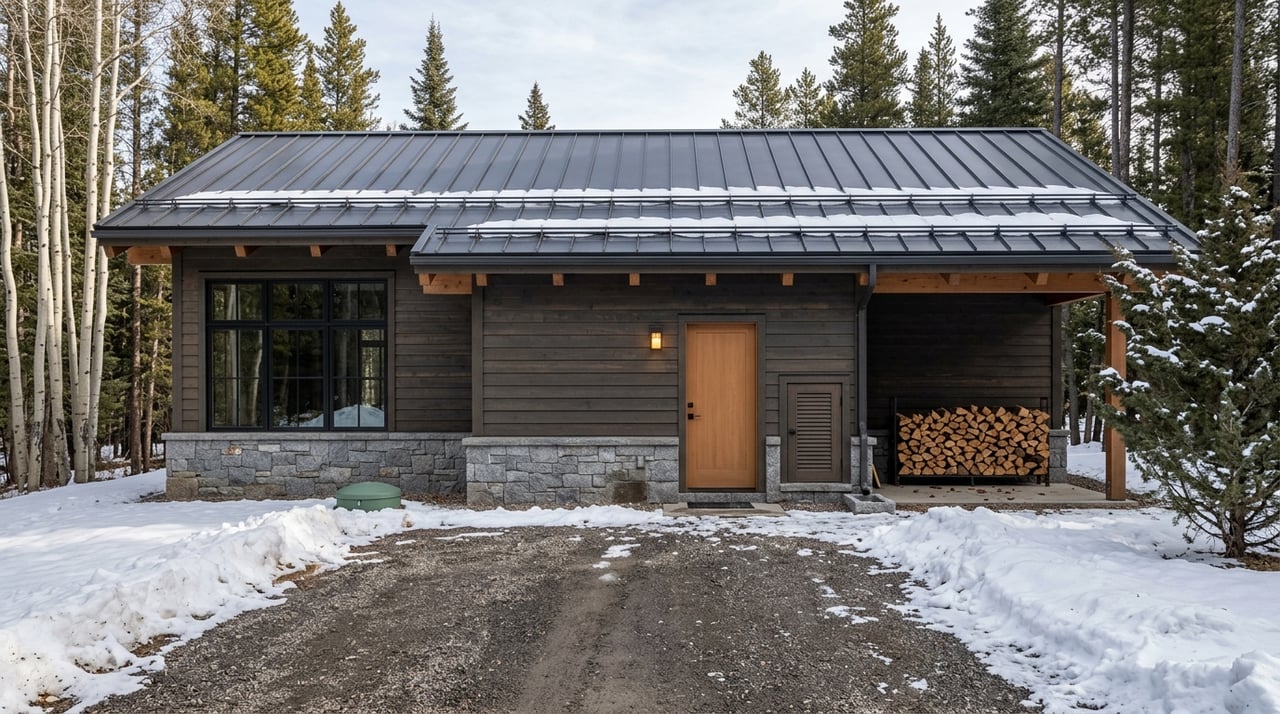
What To Expect When You Own A Cabin In Park County
April 23, 2026
April 23, 2026
If you picture cabin ownership in Park County as all quiet mornings, mountain views, and weekend escapes, you are not wrong. But there is another side to it too. You are also signing up for a property that needs thoughtful planning around winter access, snow, freezing temperatures, wildfire prep, and sometimes rental compliance. If you know what to expect going in, you can enjoy the lifestyle with far fewer surprises. Let’s dive in.
Owning a cabin in Park County often feels different from owning a primary home in town. The appeal is real, but so is the operating side of the lifestyle. In this market, you are not just buying the cabin itself. You are also taking on a seasonal routine that can affect how you travel, maintain the property, and budget over time.
That matters even more if your cabin will sit vacant between visits. A home that is unattended during cold weather needs a stronger plan for heating, plumbing, roof maintenance, and road access. For many buyers, this is the biggest shift in mindset.
At NOAA’s Fairplay South Park Road station in central Park County, the 1991 to 2020 annual mean temperature was 36.6°F. The same station averages 183.1 days per year with a daily high at or below freezing, 69.4 nights with a low at or below freezing, and 18.3 nights with a low at or below 0°F, according to NOAA climate normals.
For you as an owner, those numbers point to one thing clearly: winter is not a short season here. It is a major part of how the property functions. That means winterizing is not just a one-time task. It is part of the normal ownership cycle.
A long freeze season can shape several parts of cabin ownership:
If you are buying a second home, this is why local, property-specific due diligence matters so much. Two cabins in the same county can have very different operating needs depending on elevation, road type, roof design, and how often the home is occupied.
One of the most important things to understand before closing is that road access is not the same across all of Park County. The county’s public GIS and dispatch mapping separates county roads from USFS roads, which is a good reminder that maintenance responsibility can vary by location. You can review that through the Park County roads map service.
In practical terms, you should verify the exact road jurisdiction, plowing responsibility, and whether year-round access is realistic for your specific parcel. A cabin may feel close on a map, but winter drivability can be a very different question.
According to CDOT winter driving FAQs, CDOT plows state highways and interstates, while municipalities or other local jurisdictions handle local roads. CDOT also notes that on highways with fewer than 1,000 daily vehicles, snow removal is limited to 5 a.m. to 7 p.m. It also points out that Colorado often gets its biggest snowfall totals in March.
That late-season snow pattern catches some second-home buyers off guard. You may assume the worst weather is behind you by spring, but March storms are still part of the calendar. If your cabin use depends on flexible weekend travel, that is worth planning around.
For many Park County owners, getting to the cabin safely in winter is part of normal mountain living. CDOT’s traction law page explains that passenger vehicle traction and chain laws can be activated on any state highway. Alerts are posted through signs, COtrip, and roadway-condition updates.
Under a traction law, passenger vehicles need compliant tires or chains. Under a chain law, every vehicle must have chains or an approved alternative traction device. In real-world terms, winter tires, AWD or 4WD, and carrying chains are a practical baseline for many cabin owners.
Before a winter trip, it helps to check:
This is one of those ownership realities that is easier to manage when you expect it from day one.
Mountain buyers often hear broad advice about steep roofs and snow shedding, but Park County ownership works best when you verify details at the parcel level. The county’s public information GIS includes a Snowloads map layer, which suggests roof-load and structural snow considerations should be reviewed based on the specific property rather than assumed countywide.
That is especially helpful if you are comparing older cabins, remodeled homes, or vacant land for a future build. Roof design, snow management, and structural planning may vary more than buyers expect.
It is easy to think of cabins as seasonal homes. In practice, the maintenance calendar in Park County runs all year. Even if you use the property mainly for vacations, the cabin still needs ongoing attention when you are away.
The climate data and local access patterns make that clear. Winterizing, road checks, roof and gutter clearing, and heating oversight are recurring tasks, not occasional chores. This is part of the tradeoff for owning a home in a high-country setting.
A typical cabin care routine may include:
For many second-home buyers, the key is not avoiding these tasks. It is understanding them early and building a plan around them.
Winter may be the most obvious operational issue, but it is not the only one. The Colorado Division of Fire Prevention and Control says the state’s core wildfire season is now 78 days longer than it was in the 1970s, and large fires occur every month of the year.
For cabin owners, that means wildfire preparation is not a one-time summer project. It is an ongoing part of responsible property care. DFPC recommends defensible space, structure hardening, evacuation planning, clearing pine needles from roofs and gutters, moving firewood away from the house, and keeping address signs visible.
A recurring prep routine may include:
DFPC also notes that fire restrictions and bans can change quickly. Before a trip or guest stay, it is smart to confirm current restrictions through the relevant county sheriff, fire department, or federal land agency.
Many buyers ask whether they can rent out a Park County cabin occasionally to offset costs. The answer is sometimes, but it is never something you should assume. Colorado’s current short-term rental guidance defines a short-term rental as a lodging-unit rental for less than 30 days and notes that STRs may be regulated at the county level and also restricted by private contracts or HOA covenants.
That means rental potential is parcel-specific. Zoning, local rules, and private restrictions all matter. Before you buy with rental plans in mind, you should review the exact property rather than relying on a general county assumption.
The county also provides a zoning map service, which is a useful starting point when evaluating how a property may be used.
If you do plan to rent for less than 30 days, tax compliance becomes part of ownership. The Colorado Department of Revenue says anyone offering rooms or accommodations for rent must obtain a sales tax license and collect sales tax on taxable rentals. The tax applies to the full amount charged, including mandatory fees like cleaning charges.
Depending on the property location, there may also be county lodging-tax or visitor-benefit-tax obligations. Colorado also offers an address-level tax lookup tool so the tax setup can match the exact property address.
The biggest takeaway for Park County buyers is simple: avoid broad assumptions. Cabin ownership here is highly parcel-specific. The exact road, snow load context, zoning, and maintenance demands can vary meaningfully from one property to the next.
That is why the best buying strategy is to treat a cabin as both a lifestyle purchase and an operating asset. You want to understand not only how the home looks and feels, but also how it works through winter, shoulder seasons, and periods when nobody is there.
If you are considering a cabin in Park County, having a local advisor who understands second homes, access questions, and rental-use due diligence can make the process much clearer. When you are ready to talk through your options, connect with Rianna Royer for guidance tailored to your goals.
Stay up to date on the latest real estate trends.
Let me be your beacon from our first interaction to close and beyond! Whether you are buying or selling, I look forward to serving your specific real estate needs and bringing unparalleled value and expertise.