Leave a Message

Thank you for your message. I will be in touch with you shortly.

What Is a Lock‑Off Condo in Keystone?

November 27, 2025

Curious about lock-off condos in Keystone and why so many buyers ask for them? If you want a place you can enjoy for family trips and also rent in flexible ways, a lock-off can be a smart fit. In this guide, you will learn what a lock-off condo is, how it works for short-term rentals, and what rules, costs, and financing issues to verify in Summit County. Let’s dive in.

Lock-off condo, simply explained

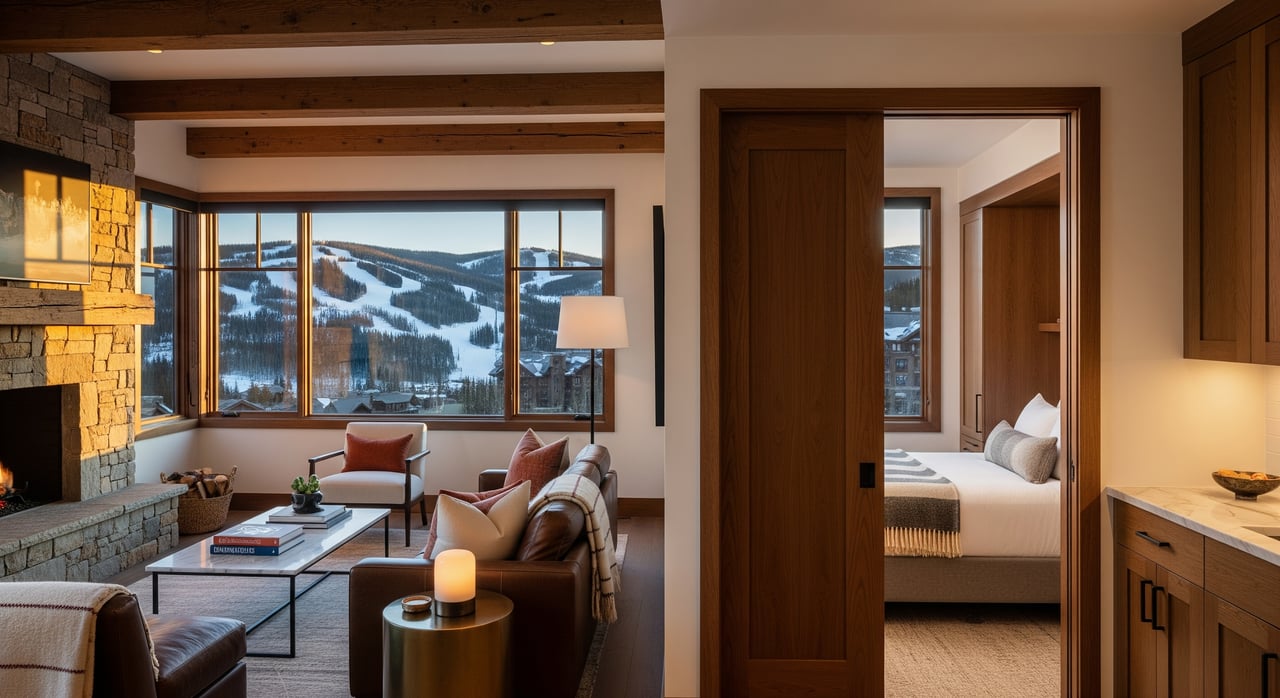
A lock-off condo is one legal condominium unit designed so part of the space can be closed with an internal locking door and used independently. Common layouts include a studio paired with a one-bedroom, or a two-bedroom split into two rentable areas, sometimes with a kitchenette on the smaller side.

Most lock-offs sit on a single deed and are taxed as one unit. They often share systems like plumbing, electrical, and HVAC, even though you can use or rent the spaces separately. In contrast, two separately deeded condos have independent legal descriptions, and lenders and tax authorities treat them as distinct properties.

Why lock-offs fit Keystone

Keystone is a year-round resort with winter and summer peaks and slower shoulder seasons. A lock-off lets you rent the entire unit to larger groups during peak demand, then rent the smaller side to couples or solo travelers during slower periods.

You can also use part of the condo for your own stay while renting the other side to guests or friends. This flexibility can boost total booked nights and appeal to different group sizes that come to the mountains for skiing, hiking, events, and festivals.

How it works day to day

Many lock-offs include a kitchenette in the smaller section, although not all do. The presence of a kitchen or kitchenette can influence nightly rates and guest expectations.

If you rent both sides separately, plan for more frequent turnovers, higher housekeeping costs, and extra supplies. You will likely maintain two sets of linens and kitchenware, plus duplicate basics like toiletries and coffee. Occupancy limits, parking, and guest rules come from the HOA or resort and must be followed for each side.

Rules and approvals to verify

Before you buy or list, confirm the rules that affect how a lock-off operates in Keystone and Summit County:

  • HOA documents. Review the condominium declaration, plats, amendments, and rules to confirm the lock-off configuration is permitted and how assessments are allocated. Check whether the HOA allows independent rental of the lock-off portions or classifies the project as a hotel-style condo with special policies.
  • Resort or on-site rental program. If you join a resort or front-desk rental pool, ask about minimum stay requirements, standard setups, and revenue splits, as these can dictate whether the lock-off can be booked separately and how income is allocated.
  • Summit County short-term rental compliance. Short-term rentals require licensing, potential inspections, and tax collection. Verify current Summit County requirements, as well as any Keystone Resort or special-district processes, before assuming complete rental flexibility.
  • Title and legal description. Confirm the lock-off configuration is described in recorded condo documents and that separate conveyance is not assumed unless the documents clearly allow it, which is uncommon.

Financing, insurance, and taxes

Lock-offs are usually financed as condos, but resort projects can face extra lender scrutiny. Many lenders rely on Fannie Mae or Freddie Mac condo project standards, and some government-backed programs have special rules for resort or hotel-format projects. Down payment and rate requirements can also be higher for investment purchases, so connect early with a lender experienced in Summit County resort condos.

For insurance, a standard condo policy may not cover short-term rental activity. You may need a landlord or vacation-rental endorsement and higher liability coverage, while the HOA’s master policy typically covers the building shell and common areas. Confirm where the master policy stops and owner responsibility begins.

Short-term rental income is taxable and subject to transient occupancy and sales taxes. Keep careful records for federal and state filings, and consult a tax professional about depreciation, passive activity rules, and owner-use limits that may affect deductions.

Pros and cons to consider

Advantages

  • Revenue flexibility from renting the whole unit or each side separately.
  • Strong market appeal for families and groups seeking separate sleeping areas.
  • Personal-use flexibility, letting you host guests or keep private space.
  • Differentiation at resale when marketed and documented well.

Tradeoffs

  • Higher operating complexity, with more turnovers, wear, and stocking needs.
  • HOA or rental program restrictions that can limit separate bookings or add fees.
  • Financing considerations in resort or hotel-style projects.
  • Increased insurance and liability requirements for short-term rental use.
  • Usually a single deed, so you cannot sell the two parts separately.
  • Seasonal income swings that track Keystone’s peak and shoulder periods.

Buyer and seller due diligence checklist

Use this focused list to verify the details that most affect value and operations.

Documents and data

  • Condominium declaration, plats, amendments, and CCRs confirming the lock-off.
  • HOA bylaws, rules, and recent meeting minutes on rental policies.
  • HOA budget, reserve study, current assessments, and any planned special assessments.
  • Rental program contract if applicable, plus historical rental statements.
  • Historical occupancy and rate data for the unit and comparable lock-offs.
  • Comparable sales for lock-off and non lock-off units in Keystone.
  • Insurance declarations and quotes for vacation-rental endorsements and liability.
  • Copies of any Summit County short-term rental licenses or permits and tax remittance confirmations.
  • Utility billing details, metering, and allocation of costs.
  • Inspection focused on the internal lock, partition, HVAC controls, and kitchenette.
  • Title report matching the legal description and confirming no restrictions.

Questions for HOA or rental manager

  • Can each portion be rented separately, and what are minimum stays?
  • Are there extra fees, registration steps, or occupancy limits for separate bookings?
  • What share of units are owner-occupied versus short-term rentals?
  • Does an on-site rental pool exist, and how are lock-off rates and revenues handled?
  • Any planned capital projects, policy shifts, or special assessments on the horizon?

Financing and insurance steps

  • Speak with a Summit County mortgage professional about project approval and loan options for resort condos.
  • Obtain insurance quotes that include short-term rental endorsements and adequate liability limits.

Practical management checks

  • Get housekeeping turnover quotes for single-side and whole-unit stays.
  • Compare average nightly rates and occupancy for lock-off versus full-unit bookings across seasons.
  • Review sample guest rules, parking guidance, trash and noise policies, and ski storage procedures.

Is a lock-off right for you?

If you want a mountain getaway that works for both family time and rental income, a Keystone lock-off can offer powerful flexibility. The upside is the ability to serve different guest profiles across seasons, which can improve occupancy and revenue. The tradeoff is operational complexity and careful attention to HOA rules, county licensing, financing, and insurance.

You do not have to navigate this alone. For local guidance on specific Keystone buildings, rental program options, and due diligence documents, connect with Rianna Royer. Together, you can match your goals to the right property and operating plan.

FAQs

What is a lock-off condo in Keystone?

  • It is one legal condo designed with an internal locking door so part of the unit can function as a separate sleeping or living area for personal use or rentals.

Can Keystone lock-off portions be rented separately?

  • It depends on HOA rules, any resort rental program requirements, and Summit County licensing, so you must confirm policies before marketing separate bookings.

How do lenders treat resort lock-off condos?

  • Many lenders underwrite them as condos, but resort projects may require condo project approval and can involve higher down payments or stricter terms for investors.

What insurance do I need for short-term renting a lock-off?

  • You will typically need a condo policy with a vacation-rental or landlord endorsement and higher liability limits, coordinated with the HOA’s master policy.

Are lock-off condos separately deeded units?

  • Usually no, they are one deeded unit; separate conveyance of portions is uncommon and would need to be allowed in the recorded condo documents.

Do lock-offs cost more to operate than standard condos?

  • Often yes, because separate-side rentals can increase turnovers, housekeeping, supplies, and wear, which raise operating costs.

Work With Rianna

Let me be your beacon from our first interaction to close and beyond! Whether you are buying or selling, I look forward to serving your specific real estate needs and bringing unparalleled value and expertise.