What a Resort HOA Covers in Dillon Condos
December 4, 2025
December 4, 2025
Wondering what your HOA fee actually pays for in a Dillon condo? If you own or plan to buy near Lake Dillon and the ski areas, it is smart to understand what the resort HOA handles and what stays on your plate. You want predictable costs, smooth ownership, and fewer surprises. In this guide, you will learn the typical coverage, Dillon-specific issues to verify, and a simple checklist to use before you close. Let’s dive in.
Most resort condo HOAs in Summit County maintain structural elements like the foundation, exterior walls, roofing, and often balconies. They typically care for exterior finishes, paint, siding, and shared spaces such as lobbies, corridors, elevators, and stairwells. Ownership lines for items like windows and doors can vary. It is common to see the HOA manage exterior-facing components while owners handle interior trim.
You can usually expect the HOA to handle landscaping, irrigation, and upkeep of common outdoor spaces. In Dillon’s winter climate, snow removal is a core service for roads within the complex, parking lots, and common walkways. Scope can differ by community, so verify whether private entries and balconies are included. Parking-lot maintenance, lighting, and stormwater systems are frequently HOA responsibilities as well.
Trash and recycling for the complex are commonly paid by the HOA. Many utilities are metered per unit, so owners typically pay their own electric and gas. Some buildings have master-metered water, sewer, or central heat that flow through HOA dues. Pest control is often managed for common areas. In-unit treatment may be the owner’s job unless a common-area issue caused it.
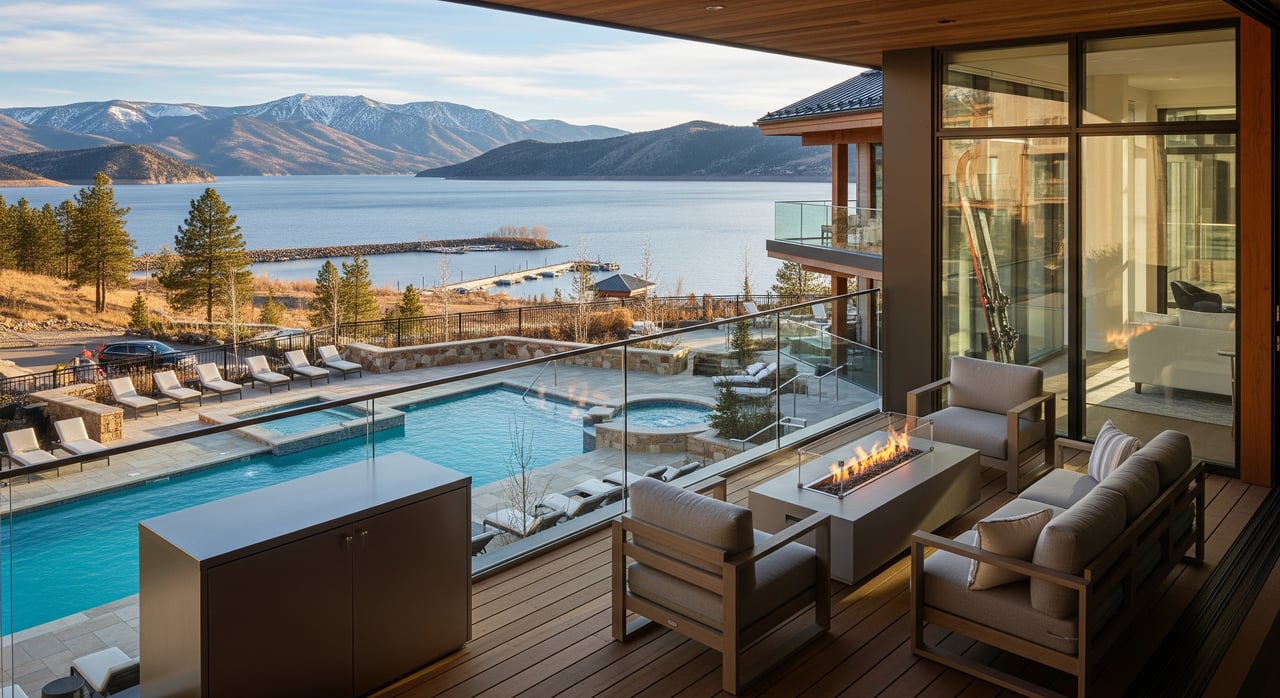
Resort condominiums often include amenities such as pools, hot tubs, saunas, fitness rooms, game lounges, and ski lockers. Some communities coordinate shuttle services to lifts or leverage local transit. Near Lake Dillon, HOAs may manage marina access, mooring or dock rules, storage, and seasonal assignments. Concierge or front-desk services, if offered, typically result in higher dues.
Even in full-service resort buildings, you are usually responsible for your interior finishes. That includes flooring, cabinets, counters, appliances, and interior plumbing fixtures. If a building has shared mechanical systems, the HOA may handle the central plant, while you maintain the components inside your unit.
If your unit is separately metered for utilities, you pay those bills directly. In-unit pest treatments, minor leaks, and interior wear-and-tear are commonly on you. Always confirm the exact responsibility split in the CC&Rs and rules because each community defines these differently.
Resort HOAs usually carry a master policy that insures the structure and common areas. The coverage can be “bare walls-in” or can include more interior components. The difference matters. It determines how much interior coverage you need on your personal condo policy.
You will almost always need an HO-6 policy to cover interior finishes, personal property, loss of use, and personal liability. Confirm whether the HOA requires minimum coverage limits. Ask for the master insurance declarations so your agent can match coverage and fill any gaps.
Master policy deductibles in resort buildings can be high. Some associations allocate a portion of the deductible to unit owners after a loss. Ask how deductibles are handled, and whether you need loss assessment coverage on your HO-6. If the HOA’s reserves are low and a large capital repair is due, you could also see a special assessment.
Summit County’s heavy snow often leads HOAs to contract for snow hauling, roof clearing, and de-icing. Confirm whether private balconies and unit entries are included. Frequent freeze-thaw cycles accelerate wear on roofs, decks, and exterior finishes, which can affect reserves and timelines for replacement.
If the property is near Lake Dillon, review HOA policies for boat slips, moorings, storage, and seasonal access. There may be separate fees, wait lists, or seasonal assignments. Confirm how HOA rules align with local permits and marina operations.
Many Dillon condos are used as vacation rentals. Your ability to rent depends on both the HOA’s rules and local licensing and lodging tax requirements. The HOA may prohibit, limit, or require owner registration for STRs. Always compare the association’s rental policy with the applicable local requirements before you count on rental income.
Some communities provide private ski shuttles or coordinate with county transit. Verify whether any shuttle is included in dues or offered as a separate service. This can be a convenience factor and a cost driver.
HOAs may require certain steps when a unit sits vacant, including shut-off valves or documented winterization. Rental units might need a local contact on file or a management company. Clarify these expectations early if you plan to be away for long stretches.
Mountain settings carry specific risks. HOAs may manage defensible space on common grounds, hazardous-tree removal, or slope mitigation where needed. Ask how the association budgets for mitigation and whether it affects dues or reserves.
In a mountain climate, exterior elements typically wear faster. That often means higher reserve contributions and a closer eye on the reserve study.
A little diligence upfront can save you from surprise costs later. If you want a second set of eyes on documents or need a short list of trusted local pros, reach out. You deserve a smooth, informed purchase or sale in Dillon.
Ready to talk strategy for your condo in Dillon or nearby resorts? Connect with boutique, locally grounded guidance through Rianna Royer.
Stay up to date on the latest real estate trends.
Let me be your beacon from our first interaction to close and beyond! Whether you are buying or selling, I look forward to serving your specific real estate needs and bringing unparalleled value and expertise.