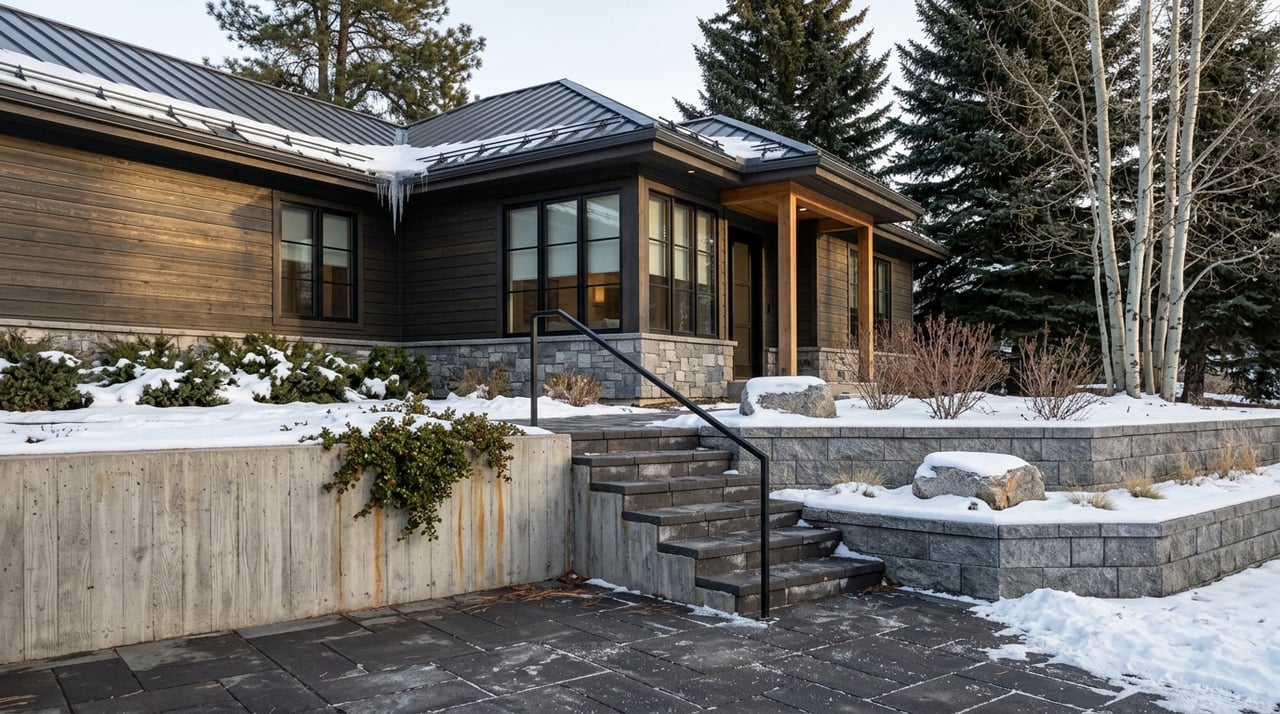
Silverthorne Neighborhood And Home Style Guide For Buyers
June 18, 2026
June 18, 2026
Wondering where to focus your home search in Silverthorne? This market can look simple at first glance, but the feel, setting, and housing types can change quickly from one area to the next. If you want a place that fits your mountain lifestyle, and possibly your long-term investment goals, it helps to understand how Silverthorne is laid out before you start touring homes. Let’s dive in.
Silverthorne is a high-mountain valley town shaped by the Blue River, with neighborhoods spread between the river corridor, the town core, and higher-elevation edges near open space and trail systems. The surrounding landscape includes the Gore Range, White River National Forest, and nearby wilderness areas, which strongly influence how different parts of town feel.
For buyers, that means home style is often tied to setting. In general, you will see more compact attached housing in the core, more river-adjacent condo options near the Blue River corridor, and more view-oriented homes and lots as you move to higher terrain.
Before comparing floor plans or finishes, it helps to narrow your search by the kind of experience you want most. In Silverthorne, buyers usually sort into a few clear lifestyle priorities.
Ask yourself which matters most to you:
Once you know your priority, the neighborhood picture becomes much easier to read.
The Town Core and 4th Street corridor are Silverthorne’s most compact mixed-use areas. This is where you should expect more condos, rowhomes, townhomes, and mixed-use residential options rather than large detached homes on bigger lots.
This part of Silverthorne is still evolving. The town’s 2025 unit analysis shows only 17 built units out of 201 zoned in the Town Core, which means the area is better understood as a redevelopment and infill district than a finished neighborhood.
Current construction is concentrated here as well. Fourth Street North remains under construction, with mixed-use buildings, a hotel, a parking structure, and a workforce housing building in progress.
If you want a lower-maintenance property, a more urban mountain setting, or a home near downtown activity, the core may be your best fit. This area can also appeal to buyers who like being close to restaurants, arts venues, and the central trail network.
If you are expecting a quiet subdivision feel or larger detached-lot homes, this probably will not be the strongest match.
The Blue River corridor is one of Silverthorne’s defining residential settings. This area includes neighborhoods and developments such as Blue River Flats, Riverbend Condominiums, Riverfront Condominiums, Rivers Edge Condos, River West, Retreat on the Blue, Apres Shores, Rainbow Run, and The Wave on the Blue.
The riverfront area offers a more established housing base than the core. The Riverfront zone is relatively mature, with 356 built units out of 661 zoned, while Blue River Run is nearly built out at 109 of 111 units.
A big draw here is access to the Blue River Trail. This 3.5-mile paved path runs from Silverthorne Elementary and North Pond Park through downtown and connects to the county recpath system, making this area especially appealing if you want everyday trail access.
Riverfront living in Silverthorne is not just about views. It is also about how the town has preserved natural buffers in some areas, including floodplain and wetlands near Blue River Run open space.
That preservation can be a major plus if you value a more natural feel near town. At the same time, it is one reason why two properties near the river can offer very different site conditions, privacy, and building relationships.
If your mountain-home vision includes elevation, slope, and bigger views, Silverthorne’s hillside and edge-of-town communities may be where you want to look first. Angler Mountain Ranch and Vistas, Eagles Nest, Summit Sky Ranch, Willowbrook Meadows, Willow Creek Highlands, and portions of Ptarmigan Trail Estates all fit this general category.
These areas tend to align with buyers who want direct access to hiking terrain or proximity to trailheads and open space. The town’s trail descriptions reinforce that mountain setting, with routes like Angler Mountain, Eagles Nest Elliott Ridge, Buffalo Mountain, and Ptarmigan Peak reflecting the steeper, more terrain-driven character of these locations.
From an inventory perspective, some of these communities are already well established. Summit Sky Ranch is fully built out at 240 units, Angler Mountain Ranch is at 204 of 232 zoned units, and Eagles Nest Golf Course stands at 297 of 331.
Higher terrain can offer a strong sense of privacy, scenery, and outdoor immersion. It can also mean steeper access, more varied lot topography, and a very different feel from the river corridor or downtown blocks.
If you are comparing hillside homes, pay close attention to how each property sits on the land. In Silverthorne, slope, orientation, and trail proximity often matter just as much as square footage.
Smith Ranch stands out as Silverthorne’s clearest planned neighborhood-street product. The town describes it as its workforce housing neighborhood, with a mix of home sizes and price points, tree-lined streets, sidewalks, and functional architecture.
For buyers who want a more organized neighborhood layout, this can feel very different from hillside subdivisions or mixed-use core development. It was annexed in 2008 and rezoned to a planned unit development in 2018.
The 2025 unit analysis shows 349 built units out of 381 zoned, so it is largely complete while still offering a meaningful resale market.
Smith Ranch has its own resale process. That process includes SCHA qualification, a 10-day listing period, and a lottery when multiple qualified offers are submitted.
If you are interested in this neighborhood, it is smart to understand that process early so you know how timing and eligibility may affect your search.
One of the biggest lifestyle differences between Silverthorne neighborhoods is how they connect to parks, trails, and open space. The Blue River Trail acts as a recreational backbone through town, and Silverthorne’s bike-friendly layout adds value for many buyers who want easy everyday movement without always getting in the car.
The town also has roughly 215 acres of open space and parks. Places like River’s Edge Park, Willow Grove Open Space, North Pond Park, Rainbow Park, and Trent Park shape how nearby homes feel and function.
For buyers, these amenities are not just nice extras. They can influence your daily routine, how often you use your property, and what kind of mountain experience you get outside your front door.
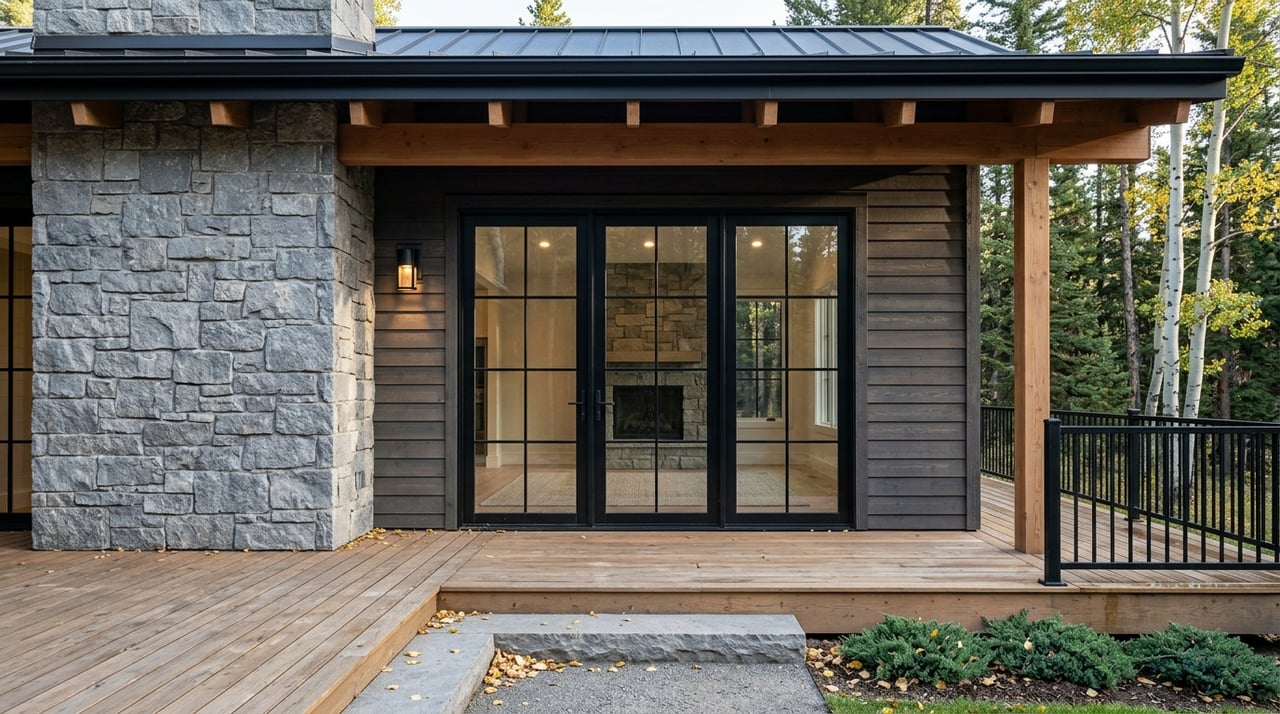
Silverthorne does not fit one single architectural mold. Still, a few broad home-style patterns show up consistently depending on where you search.
In the core and along 4th Street, expect more attached housing and mixed-use residential formats. In riverfront pockets, condos and multi-unit communities are common, often with the river and trail network as major lifestyle features.
In hillside areas, the focus often shifts toward detached homes, view-oriented positioning, and stronger relationships to slope and open space. In planned neighborhoods like Smith Ranch, the streetscape and neighborhood structure play a bigger role in the overall feel.
One of the most important things to verify is whether a property is actually inside Silverthorne town limits. Several neighborhoods commonly marketed as Silverthorne, including Wildernest, Mesa Cortina, South Forty, Hamilton Creek, and portions of Ptarmigan Trail Estates, are outside town limits.
That matters because services, taxes, utilities, and permitting assumptions may differ. The town also states that it does not serve Wildernest, Mesa Cortina, Hamilton Creek, or Ruby Ranch with utilities.
If you are comparing homes across greater Silverthorne, do not assume the same town services apply to every listing with a Silverthorne address. A home’s actual jurisdiction and utility setup can affect your ownership experience in practical ways.
This is one of those details that is much easier to sort out before you fall in love with a property.
Another local factor buyers should know about is RETA. Silverthorne states that RETA is not a property tax, but some developments pay a 1% transfer assessment at sale.
The town’s list includes 4th on 4th/Rivers Edge, 4th Street Crossing, 4th Street North, Angler Mountain Ranch and Vistas, Apres Shores, Blue River Flats/Blue River 50, River West, Summit Blue, Summit Sky Ranch/Maryland Creek Ranch, and The Wave on the Blue.
This does not affect every property in town, but it is an important line item to confirm when you are budgeting your purchase and future resale considerations.
If you are trying to narrow your options, focus less on the label of the neighborhood and more on the setting that matches your goals. In Silverthorne, the best-fit property usually comes from aligning your lifestyle with the right physical part of town.
A simple way to think about it is this:
If you are also thinking about second-home use or long-term investment potential, neighborhood context becomes even more important. The right fit is not just about the home itself. It is also about how that location supports the way you plan to use it.
Silverthorne offers a surprisingly wide range of settings for a relatively compact mountain town. If you want help sorting through neighborhoods, home styles, and the local details that can affect your purchase, Rianna Royer can help you build a focused search that fits your lifestyle and goals.
Stay up to date on the latest real estate trends.
Let me be your beacon from our first interaction to close and beyond! Whether you are buying or selling, I look forward to serving your specific real estate needs and bringing unparalleled value and expertise.