Thinking about a mountain home in Silverthorne and wondering how the insurance works up here? You are not alone. High elevation, heavy snow, wildfire exposure, and spring runoff make coverage choices more nuanced than in the suburbs. In this guide, you will learn what a standard policy covers, the common gaps, smart endorsements to consider, and practical steps to lower risk and control costs before you buy. Let’s dive in.
Why mountain homes need different coverage
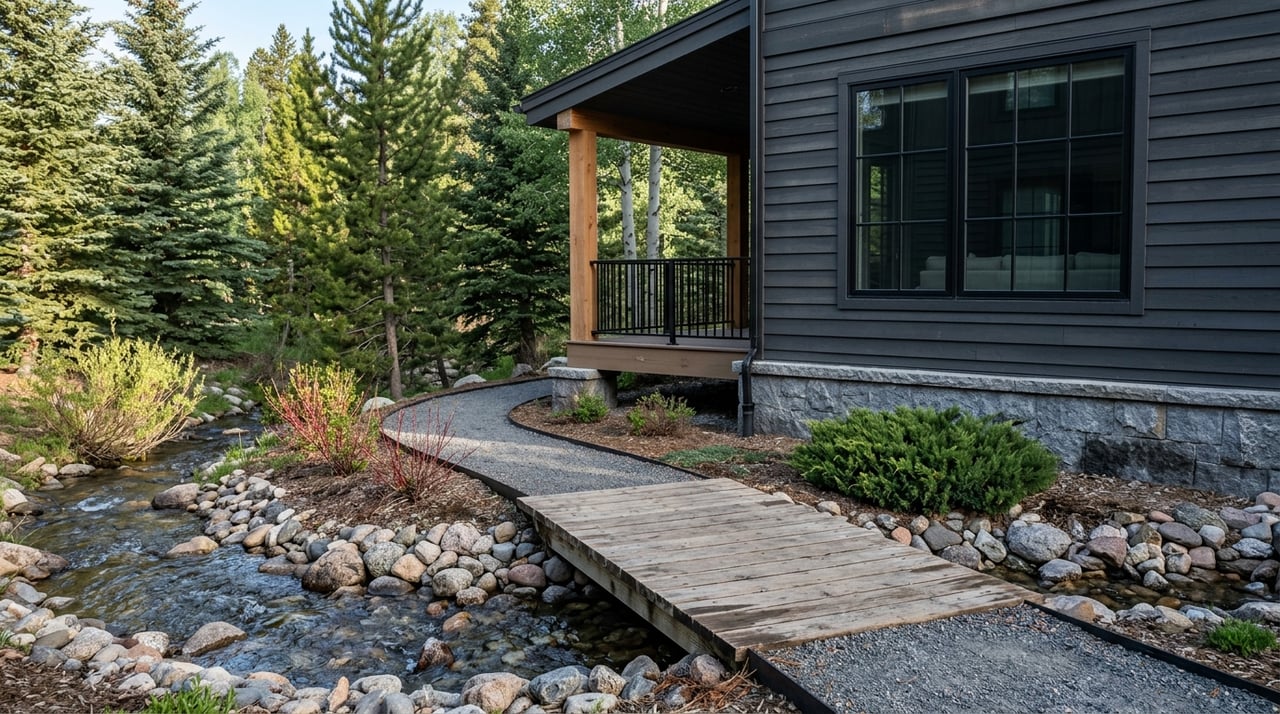
Silverthorne’s setting delivers big-snow winters, alpine sun, and access to trails and ski areas. It also brings a cluster of risks that affect your policy and premiums.
- Winter cold and snow: Heavy snow loads, ice dams, and frozen pipes can damage roofs and interiors. Standard policies usually cover sudden, accidental water damage and roof collapse from weight of snow, but freezing due to negligence, like turning off the heat, can be denied.
- Wildfire and embers: Mountain communities see periods of elevated wildfire risk. Damage from wildfire is generally covered, but you may face higher premiums, wildfire-specific deductibles, or stricter underwriting in higher-risk zones.
- Flooding and snowmelt: Spring runoff, stream overflow, and heavy rain on frozen ground can cause flooding. Flood is not covered by standard homeowners insurance. You need a separate flood policy through the NFIP or a private carrier.
- Slope hazards: Landslides, mudflows, rockfall, and avalanche can occur near steep terrain. Most standard policies exclude earth movement and earthquake unless you buy additional coverage.
- Access and outages: Storms and mitigation work can lead to road closures or power outages. Loss of use coverage may help if the home is uninhabitable due to a covered loss.
- Short-term rentals: If you plan to rent, many personal policies limit or exclude business and vacation rental use. You will need the right endorsement or a specific rental policy.
What your policy usually covers
Core protections in an HO-3
Most buyers carry an HO-3 style policy that includes:
- Dwelling coverage to repair or rebuild after covered perils.
- Other structures like detached garages and sheds.
- Personal property for your belongings, subject to limits.
- Personal liability and medical payments for injuries or damage to others.
- Loss of use or additional living expenses if you cannot live in the home after a covered loss.
Common gaps and exclusions in the mountains
Several high-country risks are limited or excluded in standard policies:
- Flood is excluded. River overflow, surface water, and snowmelt flooding require a separate flood policy.
- Earth movement is excluded. Earthquake and landslide typically require separate coverage.
- Maintenance issues are excluded. Wear and tear, long-term leaks, mold, and freezing due to negligence are commonly limited or denied.
- Sewer and drain backup is usually excluded unless you add an endorsement.
Smart endorsements for Silverthorne
The right add-ons can close costly gaps and reflect the true rebuild cost in Summit County.
- Flood insurance: Consider an NFIP or private flood policy, even if you are not in a mapped high-risk zone. Check your property’s FEMA flood zone using the FEMA Flood Map Service Center.
- Water backup endorsement: Covers damage from sewer, drain, or sump pump backup, which is often excluded.
- Extended or guaranteed replacement cost: Helps absorb higher local construction costs if a major loss outpaces your dwelling limit.
- Ordinance or law coverage: Pays to bring your home up to current code during a covered repair or rebuild.
- Scheduled personal property: Adds coverage for high-value items like skis, jewelry, artwork, or electronics beyond standard limits.
- Equipment breakdown and identity theft: Useful protections for modern systems and personal data.
- Roof or dwelling collapse extensions: Valuable where heavy snow loads and ice dams are possible.
- Short-term rental or business-use coverage: Essential if you host paying guests. Many standard policies will not cover STR activities without specific endorsements or a rental policy.
- Earthquake coverage: Consider a separate policy or rider if earth movement or slope instability is a concern for your location.
- Higher liability limits and umbrella policy: Extra protection if you own a rental or have significant assets.
Wildfire, winter, and water: reduce risk and cost
Mitigation not only lowers your claim risk. It can also improve insurability and sometimes earn premium credits.
Wildfire mitigation actions
Insurance impact: Document your work with photos and receipts. Carriers often view defensible space and ember hardening favorably.
Winterization and snow load prep
- Insulate exposed pipes, add heat tape where needed, and maintain an indoor temperature when you are away.
- Install smart thermostats and leak detectors for early alerts.
- Maintain roof integrity, ventilation, and attic insulation to reduce ice dams.
- Arrange for snow removal to prevent excess loading.
Insurance impact: Proactive winterization reduces water damage risk and supports smooth claim handling if something goes wrong.
Drainage and flood steps
- Direct runoff away from the foundation and keep gutters and downspouts clear.
- Use sump pumps with battery backup where appropriate.
- Elevate utilities and consider flood vents for areas prone to rising water.
- Review your flood zone and policy options through the FEMA Flood Map Service Center.
Insurance impact: Flood-resistant upgrades may help with private or NFIP premiums and reduce losses.
Maintenance and documentation
- Schedule routine roof, foundation, and mechanical inspections.
- Keep vegetation maintained and remove debris.
- Save dated photos, invoices, and service records to show condition and mitigation work.
Insurance impact: Good documentation lowers the chance of a denial and can speed up claims.
How deductibles and rates work in high country
Carriers price risk by peril and may set higher deductibles for mountain exposures.
- Percentage deductibles: Some policies use a percentage of your dwelling limit for wildfire, wind, or named storms. On a high-value home, this can be significant.
- Separate deductibles: You may see one deductible for wildfire, another for wind or hail, and a third for all other perils. Ask how each is triggered.
- Available discounts: Hardening measures, sprinkler systems, alarm monitoring, and documented mitigation can earn credits.
Ask for side-by-side quotes with different deductibles so you can weigh premium savings against potential out-of-pocket costs.
Buyer checklist for Silverthorne insurance
Use this quick list as you compare homes and shop for coverage.
- Get quotes early, even before you write an offer. Some carriers limit new policies in higher-risk areas.
- Verify policy types and limits, including dwelling replacement cost, personal property, and liability limits that satisfy your lender.
- Check flood exposure. Confirm the flood zone and consider an elevation certificate if available. Compare NFIP and private flood options and note waiting periods.
- Ask the seller about prior claims and repairs. Review disclosures and any available records.
- Inspect roof age, heating systems, water lines, and foundation. Condition influences underwriting and price.
- Confirm short-term rental rules if you plan to host guests. Verify HOA coverage and responsibilities as well as local permitting.
- Review the HOA master policy for condos or townhomes to understand what the association covers versus your interior responsibilities.
- Document mitigation work with photos and receipts. Share with your insurer when requesting quotes.
- Add key endorsements such as water backup, extended replacement cost, and ordinance or law.
- Consider an umbrella policy for added liability protection, especially if you will have renters.
- If you need help or face a coverage denial, contact the Colorado Division of Insurance for consumer assistance and to review insurer complaint histories.
If you plan to rent short term
Short-term rentals change your risk profile and your insurance needs.
- Coverage: Many personal policies exclude business or vacation rental use. Ask for a short-term rental endorsement or a dedicated rental policy that includes liability for guests and damage during stays.
- Local rules: Confirm HOA rules and county permitting before you buy. These can affect both your insurance and your operating plan.
- Liability: Consider higher liability limits and an umbrella policy given increased foot traffic and guest use of the property.
Local resources to bookmark
Buying in the mountains should feel exciting, not overwhelming. With the right coverage, a few strategic endorsements, and documented mitigation, you can protect your Silverthorne home and enjoy it with confidence. If you want property-specific guidance and local insight into risk, HOAs, and rental potential, connect with Rianna Royer to align the right home with the right insurance plan.
FAQs
Is wildfire damage covered for Silverthorne homes?
- Yes, standard homeowners policies typically cover wildfire, but premiums, deductibles, and underwriting can be tougher in higher-risk areas; documented mitigation can help.
Do I need flood insurance if I am not near the river?
- Flood is excluded from standard policies, and spring runoff or surface water can still cause damage, so consider an NFIP or private flood policy based on your FEMA flood zone and site conditions.
What endorsements matter most for a mountain property?
- Commonly recommended add-ons include flood insurance, water backup, extended replacement cost, ordinance or law, scheduled personal property, and short-term rental coverage if you plan to host guests.
Will my policy cover roof collapse from heavy snow?
- Sudden collapse from the weight of snow is generally covered, but you should maintain the roof and manage snow loads to reduce disputes and damage.
Can I use a standard policy if I plan short-term rentals?
- Usually no; you will need an endorsement or a dedicated rental policy because most personal policies limit or exclude business and vacation rental use.